
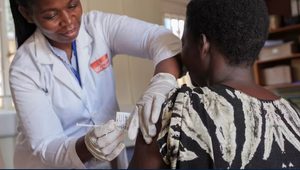
A Phase I clinical study evaluating the safety of and immune response to a candidate vaccine against Bundibugyo virus disease (BVD), a severe form of the Ebola virus that has claimed over 4,000 lives in the Democratic Republic of Congo since May, has begun in neighbouring Uganda. The study, ... READ MORE
Impact News: Treatment to Prevention
Social care data could help identify changing health and care needs earlier

New research shows that routinely collected social care records can help predict which people will need hospital admission or who may die in the next one to three years. The findings suggest there is great potential in linking health and social care information to support more proactive, ... READ MORE
How body fat is stored across organs may reveal hidden health risks, study suggests
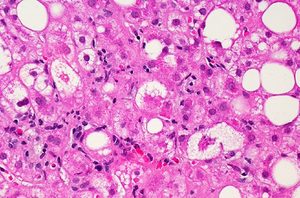
University of Oxford researchers have found that how fat accumulates in the body is just as important for identifying different health risks as a person’s overall weight. They say their findings suggest that looking at how fat is distributed across the whole body, including in and around multiple ... READ MORE
Shingles vaccine linked to lower risk of cardiovascular events, study finds
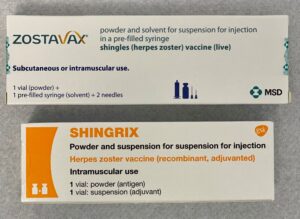
New evidence shows that the current shingles vaccine reduces the risk of major cardiovascular events – including coronary heart disease, heart failure and stroke – compared to the previous shingles vaccine. A study of more than 70,000 people by researchers at the University of Oxford, supported ... READ MORE
Researchers uncover how Parkinson’s disease protein damages brain cells
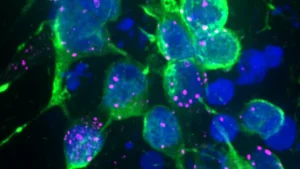
A new study has revealed a key mechanism by which a protein associated with Parkinson's disease damages neurons (brain cells) by blocking a vital cellular gateway. The findings help to explain how the disease begins and highlights a potential new target for treatment. Parkinson's disease, which ... READ MORE
First patient dosed in oesophageal cancer vaccine trial

An Oxford-led clinical trial has given the first patient an experimental cancer vaccine designed to help the immune system recognise and attack oesophageal (gullet) cancer. The VISTA trial, which is supported by the NIHR Biomedical Research Centre: Oxford, is testing a vaccine called ITOP1, ... READ MORE
First patient receives trial vaccine to prevent Lynch syndrome-associated cancers

The first participant has received an investigational vaccine that researchers hope will help to prevent cancer in people with Lynch syndrome (LS). The INTERCEPT-Lynch trial, which is supported by the NIHR Biomedical Research Centre: Oxford, forms part of a scientific collaboration between the ... READ MORE
Recruitment under way in ground-breaking hepatitis C study
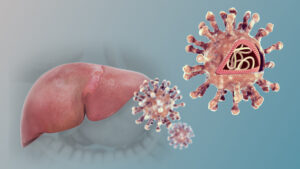
The first stage of recruitment has begun in a University of Oxford study that will see participants infected with the hepatitis C virus – and treated – an important first step on the road to possible future testing of vaccine candidates against the disease. If untreated, hepatitis C can cause ... READ MORE
Oxford-led newborn screening pilot expanded to include all babies in England

Every newborn baby in England will be screened for spinal muscular atrophy (SMA), following the expansion of a pioneering University of Oxford-led pilot that introduced the country’s first routine test for the condition. The national evaluation programme, announced by the government ... READ MORE
AI tool reveals hidden organ damage caused by high blood pressure

Researchers at the University of Oxford have developed an artificial intelligence (AI) tool that may help doctors better understand how high blood pressure damages different organs in different people - potentially paving the way for more personalised treatment in future. The ... READ MORE
Decades-old puzzle solved as scientists uncover cause of inflammatory bowel disease

Scientists have identified the missing link between a long-known genetic signal in inflammatory bowel disease (IBD) and a damaging immune response that switches off the body’s natural control of inflammation - opening the door to faster diagnosis and targeted treatment. The discovery of this ... READ MORE
Oxford scientists devise method to speed up diagnosis of bloodstream infections

Scientists in Oxford have developed a faster way to identify the organisms causing bloodstream infections and to predict antibiotic resistance using rapid DNA sequencing, a move that could improve the care of sepsis patients in hospital and reduce unnecessary antibiotic use. Up to 245,000 ... READ MORE
Heart scan and blood test found to improve risk prediction for inherited heart condition
A large international study has identified a new model for predicting outcomes for the inherited heart condition, hypertrophic cardiomyopathy (HCM), the most frequent cause of sudden cardiac death in younger people. The findings, published in the Journal of the American Medical Association, ... READ MORE
New AI tool can predict heart failure at least five years before it develops
A pioneering artificial intelligence (AI) tool can predict a person's chance of developing heart failure at least five years before the debilitating condition develops, according to new research supported by the NIHR Biomedical Research Centre: Oxford and the BHF. The research team from the ... READ MORE
Oxford University signs agreement to advance Nipah vaccine candidate
The University of Oxford and Serum Institute of India (SII), the world’s largest vaccine manufacturer, have signed an intellectual property licensing agreement to advance the development and manufacture a vaccine candidate for the deadly Nipah virus. Under the terms of the agreement, SII has been ... READ MORE
Drugs identified that could help prevent delirium after surgery

A new study has found that several commonly used drugs could significantly reduce the risk of delirium in older people following surgery. Delirium – a sudden state of confusion and memory problems – affects around one in seven older adults after an operation. People who get delirium spend ... READ MORE
Study suggests blood pressure care after giving birth could protect brain health
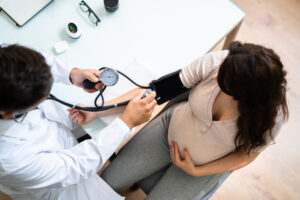
Women who develop high blood pressure during pregnancy may be able to protect their long‑term brain health through better blood pressure management soon after giving birth, according to a new study by Oxford researchers. The study found that women who monitored and managed their blood pressure ... READ MORE
Night-time changes in metabolism may be driving common liver disease, study finds
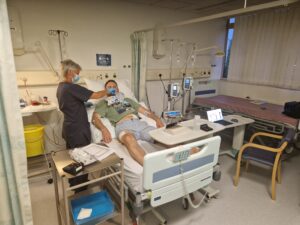
Researchers at the University of Oxford have discovered that the most common liver disease follows a strong day-night pattern, and the metabolic changes that drive the disease are most pronounced overnight, when the body is least able to process sugar and fat. Furthermore, they found that these ... READ MORE
Early pregnancy screening resulted in earlier detection for 40% of anomalies

Unequal access to early pregnancy scans delays detection of serious conditions. Early screening resulted in earlier detection for 40% of anomalies, including heart and limb issues. Researchers from the University of Oxford, supported by NIHR Oxford Biomedical Research Centre, together with ... READ MORE
Scientists map cells that drive Crohn’s disease fistulas, paving way for targeted treatments
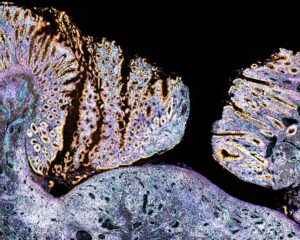
Scientists at the University of Oxford, have identified how rare populations of abnormal cells drive the formation and persistence of fistulas – painful, tunnel-like tracts that develop in around 30% of people with Crohn’s disease. Crohn’s disease is a long-term disease that affects around one ... READ MORE