
New evidence shows that the current shingles vaccine reduces the risk of major cardiovascular events – including coronary heart disease, heart failure and stroke – compared to the previous shingles vaccine.
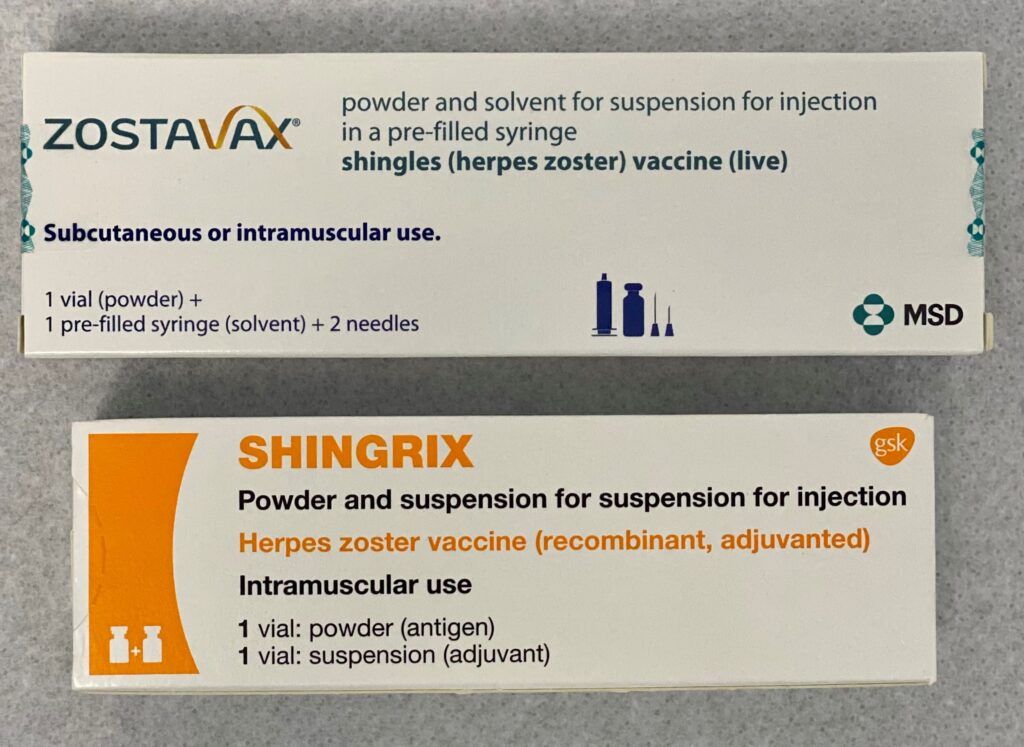
A study of more than 70,000 people by researchers at the University of Oxford, supported by the National Institute for Health and Care Research (NIHR) Biomedical Research Centre (BRC): Oxford Health and the NIHR BRC: Oxford, found a 9% reduction in cardiovascular disease burden in the seven years after the recombinant shingles vaccination Shingrix, with a 10% reduction in coronary heart disease and a 12% reduction in heart failure.
The benefit was seen in both sexes, with men also showing a lower risk of stroke.
The findings, published in Nature Medicine, suggest that the recombinant shingles vaccine may have additional value to its previously reported benefits against shingles itself and against dementia.
A recombinant vaccine is one made using a small piece of DNA taken from the virus or bacterium to produce safe proteins that our bodies recognise and trigger an immune response.
Shingles is a painful and serious condition afflicting many elderly people. It is caused by the Herpes zoster virus that can flare up in people who previously had chicken pox. A vaccine against shingles (Zostavax) was introduced in 2006, but in many countries, including the UK, Zostavax has been withdrawn and replaced by the more effective Shingrix.
In the UK, Shingrix is offered by the NHS to all elderly people and certain other groups.
Several studies have suggested that vaccinated people may have a lower risk of cardiovascular disease. However, these studies compared vaccinated with unvaccinated people and their conclusions may therefore be biased because people who choose to be vaccinated differ from those who do not.
The University of Oxford researchers used electronic health records from the USA, where there was a switchover between Zostavax and Shingrix in October 2017. This allowed the researchers to compare the risk of cardiovascular events over the following seven years in people aged 60 and over vaccinated with Shingrix and those who had received Zostavax. More than 36,000 people, matched for their characteristics, were in each group.
Shingrix was associated with a 9% lower overall burden of cardiovascular disease than Zostavax, including a 10% reduction for ischaemic heart disease and a 12% reduction for heart failure.
Men who received Shingrix also had a 12% lower risk of stroke, and there was a 7% reduction in atrial fibrillation (irregular heart rhythm). The beneficial effects were present in both sexes and were strongest in the years soon after vaccination.
The researchers say further clinical trials will be needed before we can suggest that the shingles vaccine should be used to help prevent or delay cardiovascular disease.
Dr Maxime Taquet, Associate Professor in the Department of Psychiatry at Oxford, who led the study, said: “Having already shown that this vaccine is linked to a lower risk of dementia, we now find it may also protect the heart.
“If confirmed in clinical trials, vaccinating older adults against shingles could prevent hundreds of thousands of coronary heart diseases, strokes and cases of heart failure worldwide, making it one of the most impactful interventions we could offer to protect both the brain and the heart in later life.”