
A Phase I clinical study evaluating the safety of and immune response to a candidate vaccine against Bundibugyo virus disease (BVD), a severe form of the Ebola virus that has claimed over 4,000 lives in the Democratic Republic of Congo since May, has begun in neighbouring Uganda.
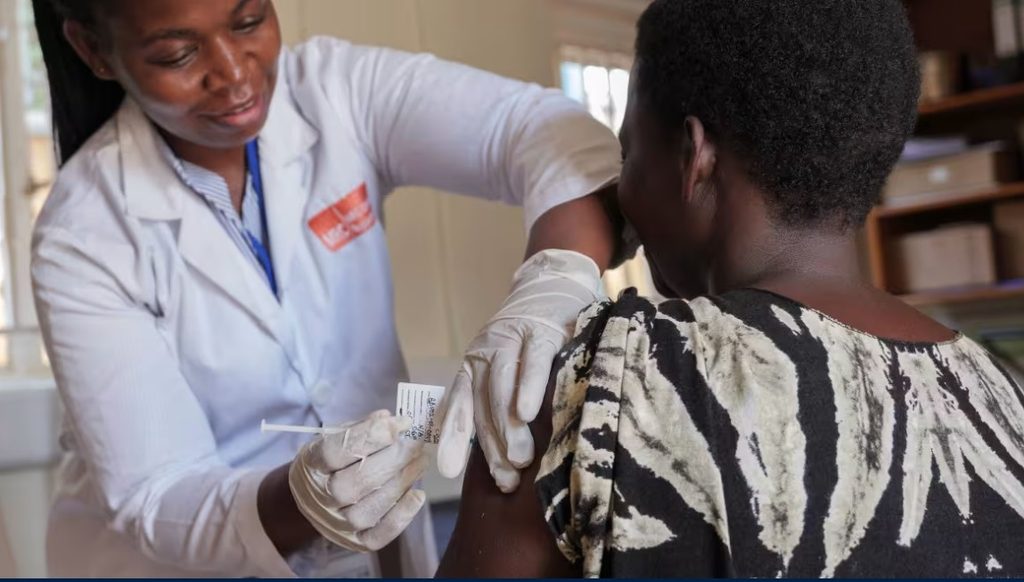
The study, which is testing a vaccine candidate developed by scientists at the University of Oxford, is part of an international effort to develop vaccines against Ebola virus species for which no licensed vaccines are currently available.
It was launched by Medical Research Council/Uganda Virus Research Institute and the London School of Hygiene and Tropical Medicine’s Uganda Research Unit, in partnership with the Oxford Vaccine Group and Pandemic Science Institute at the University of Oxford, which is sponsoring the study.
The study will evaluate the safety of a ChAdOx-based Bundibugyo Ebola vaccine candidate, ChAdOx BDBV, and its ability to stimulate an immune response in healthy adult volunteers.
The first participants were vaccinated on Tuesday 6 October in Masaka City. This phase follows the launch of a first-in-human Phase I trial in the UK evaluating the same vaccine candidate.
Both trials are funded by the Coalition for Epidemic Preparedness Innovations (CEPI), as part of a programme to advance the development of the vaccine candidate.
The ChAdOx1 BDBV vaccine uses the same ChAdOx1 viral vector platform as the Oxford/AstraZeneca COVID-19 vaccine, which is estimated to have saved over six million lives during its first year of use.
The NIHR Biomedical Research Centre: Oxford is the only NIHR BRC to have a vaccines research theme, this trial has made use of infrastructure that has been supported by the BRC Oxford, including staff who run the clinical trials unit and deliver the trials.
The ChAdOx BDBV vaccine candidate was developed by scientists at the Oxford Vaccine Group and Pandemic Sciences Institute with production and quality-testing of the viral seed stock that formed the starting material for large-scale vaccine manufacture carried out onsite by the University’s Clinical Biomanufacturing Facility, based at Oxford’s Churchill Hospital.
The Serum Institute of India (SII) has collaborated to manufacture and stockpile approximately 620,000 doses of the vaccine candidate in two weeks for potential future use. SII has supplied 300 vials to the UK and around 3,000 investigational doses for this trial in Uganda.
If early-stage trials are successful, CEPI anticipates working with the University of Oxford and SII to support late-stage trials to generate data for the authorisation or licensing of the vaccine for emergency use.

Chief Investigator of the study, Professor Simon Drysdale of the Oxford Vaccine Group, said: “This is an important moment in a truly global effort to strengthen preparedness against Bundibugyo ebolavirus. A vaccine developed and first tested at the University of Oxford, and manufactured and stockpiled in India, is now being evaluated in Uganda with our expert partners and supported by CEPI – bringing together expertise and commitment across continents with a shared goal.
“We are delighted to be working with such an experienced group to advance our candidate vaccine against Bundibugyo ebolavirus, and enormously grateful to the volunteers taking part in this trial. Their contribution is critical to generating the evidence needed to help ensure that vaccines can progress to where they are needed the most.”
Since the BVD outbreak in the DRC was declared in May, there have been more than 8,600 confirmed cases, including 4,148 related deaths.
On 25 August, the WHO declared the end of the outbreak in Uganda, where there had been a total of 20 cases reported between May and June. However, on 6 October, Kenya announced its first confirmed imported BDV Ebola virus disease case, a Kenyan citizen who had been living in the DRC.