
Vaccine researchers at the University of Oxford have launched the world’s first clinical trial of a vaccine against the Bundibugyo species of Ebola virus, in response to the ongoing outbreak in the Democratic Republic of the Congo and neighbouring Uganda.
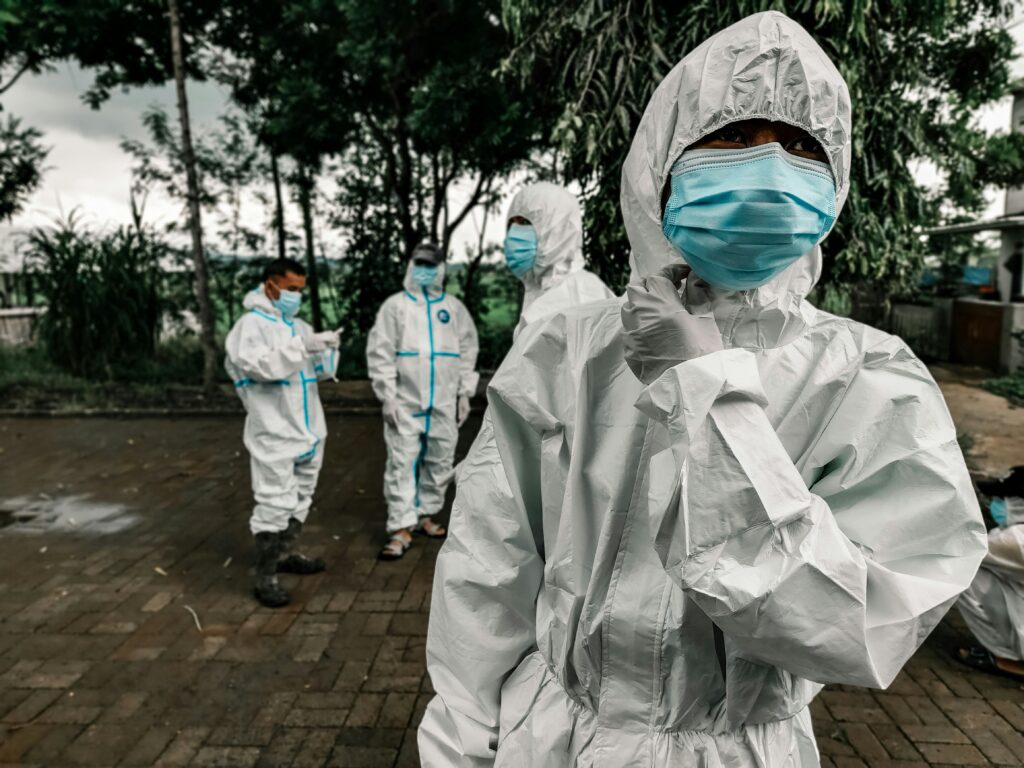
Conducted in Oxford, the Phase I clinical trial, BD-Ebov, will assess the safety and immune response of the ChAdOx1 BDBV vaccine in 50 healthy adults aged 18 to 55 years. Recruitment of volunteers into the study is now underway, where they will then attend screening visits.
In the coming weeks, and following regulatory review for trial commencement, participants will be vaccinated and attend follow-up visits in Oxford.
The ChAdOx1 BDBV vaccine was developed by scientists at the University of Oxford’s Oxford Vaccine Group and Pandemic Sciences Institute and uses the same ChAdOx1 viral vector platform as the Oxford/AstraZeneca COVID-19 vaccine, which is estimated to have saved over six million lives during its first year of use.
The NIHR Biomedical Research Centre: Oxford is the only NIHR BRC to have a vaccines research theme, this trial is making use of infrastructure that has been supported by the BRC Oxford, including staff who run the clinical trials unit and deliver the trials.
This development of the vaccine is supported by funding from the Coalition for Epidemic Preparedness Innovations (CEPI), as part of a US$8.6 million programme to advance the development of Bundibugyo vaccines. The programme builds on CEPI’s strategic partnership with the University of Oxford, and SII’s participation in CEPI’s Vaccine Manufacturing Facility Network.
To support the rapid launch of the study and progression of the vaccine candidate into clinical evaluation, the Serum Institute of India (SII) has manufactured and stockpiled approximately 620,000 doses of the ChAdOx1 BDBV vaccine candidate in two weeks for potential future use. It has supplied 4,000 investigational doses for the Phase I trial.
Subject to regulatory approval, preparations are also underway for further clinical studies with the Medical Research Council/Uganda Virus Research Institute and the London School of Hygiene and Tropical Medicine Uganda Research Unit.

Professor Teresa Lambe, Calleva Head of Immunology at the Oxford Vaccine Group and Pandemic Sciences Institute, and the study’s Lead Scientific Investigator, said: “The ongoing Bundibugyo Ebola virus outbreak continues to devastate affected communities, underlining the urgent need for effective vaccines and treatments.
“Our team has worked tirelessly with global partners to develop a candidate ChAdOx BDBV vaccine, demonstrating how collaborative partnerships can enable rapid response in the face of rapidly evolving outbreaks. This milestone comes after only 57 days since the World Health Organization declared the outbreak a public health emergency of international concern,” said Professor Lambe, who heads a BRC Oxford sub-theme on vaccines for outbreak pathogens.
Professor Katrina Pollock, MRC Clinician Scientist in Vaccinology and Chief Investigator at the Oxford Vaccine Group, said: “Launching this first-in-human study of a Bundibugyo Ebola virus vaccine is an important milestone for the programme and the culmination of a significant effort by teams across vaccine development, manufacturing and clinical testing. We are focused on delivering a rigorous Phase 1 trial, to the highest standard of care, to evaluate the safety, tolerability and immune responses generated by the vaccine.
“We are grateful to all participants in our studies, without whom we could not do this work. We are now inviting interested volunteers to participate in the study to support our efforts.”
Dr Nicole Lurie, Executive Director Preparedness and Response at CEPI,said: “The deadly Bundibugyo epidemic is already the third-largest Ebola outbreak on record, and infection numbers are continuing to rise. The University of Oxford’s work to progress their Bundibugyo vaccine candidate ready to enter Phase I trials in a matter of weeks is a pivotal milestone in the response effort. Every step that brings a safe and effective vaccine closer helps strengthen our ability to protect vulnerable communities, save lives and bring this outbreak under control.”
Adar Poonawalla, CEO of SII, added: “We are pleased to support this important Phase I trial by supplying investigational doses of the ChAdOx1 BDBV vaccine candidate for clinical evaluation. During outbreaks, speed, preparedness and global collaboration are essential to advancing vaccine candidates quickly and responsibly. We are proud to contribute to this effort alongside CEPI, the University of Oxford and other partners.”
“If Phase 1 trials are successful, CEPI anticipates working with the University of Oxford and SII to support late-stage trials to generate data for emergency use authorisation or licensure. CEPI, SII and the University of Oxford are committed to enabling rapid, affordable supply of Bundibugyo virus vaccines to affected countries and to the populations that need them.”