
Women who develop high blood pressure during pregnancy may be able to protect their long‑term brain health through better blood pressure management soon after giving birth, according to a new study by Oxford researchers.
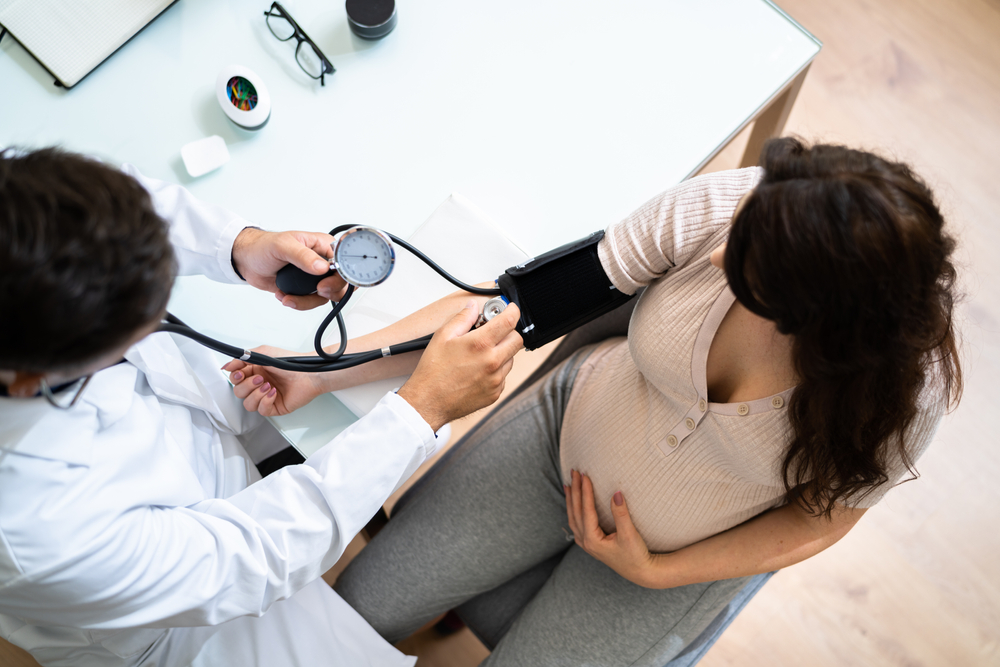
The study found that women who monitored and managed their blood pressure at home – guided remotely by a doctor – had larger brain white‑matter volumes nine months after giving birth than those who received standard postnatal care.
The research – part of the NIHR Oxford Biomedical Research Centre-supported POP‑HT (Physician Optimized Postpartum Hypertension Treatment) trial – was published in JAMA Neurology.
White matter is critical for communication between different parts of the brain, and lower volumes have been linked to cognitive decline and conditions such as dementia.
High blood pressure conditions in pregnancy, such as gestational hypertension and preeclampsia, are known to increase a woman’s longer-term risk of stroke, dementia and other neurological problems. Earlier research has shown that women with a history of these conditions often have smaller brain volumes long after pregnancy.
But this latest research suggests that improving blood pressure control in the period immediately after birth could make a difference.
Participants in the study either had gestational hypertension or preeclampsia and required blood pressure medication on being discharged from hospital. Half were asked to monitor their blood pressure at home, with remote clinical support, while the rest received the usual postnatal care.
Key findings include:
- Women in the self‑management group had significantly larger white‑matter volumes nine months after birth than those who received usual care.
- Among women who received standard care, those who previously had preeclampsia showed smaller volumes in several key brain structures compared with those who had gestational hypertension.
- These differences were not seen in the group receiving doctor‑directed self‑management, suggesting that improved blood pressure control may help counteract some of the negative brain effects associated with preeclampsia.
The first author on the paper, Dr Winok Lapidaire, Principal Investigator in Cardiovascular Medicine in the University of Oxford’s Radcliffe Department of Medicine, said: “The study found that short-term postpartum optimisation of blood pressure after a hypertensive pregnancy was associated with larger brain volumes in the first year after the birth.
“Although the study did not assess long‑term outcomes, brain volume is a recognised marker of brain health and resilience to future decline. Our findings suggest that those early months after childbirth are an important window for supporting postpartum brain health and reducing the risk of future health problems in women who experienced hypertensive pregnancy.”
Earlier research by POP‑HT team found that self-monitoring blood pressure after giving birth could help to cut new mothers’ risk of future heart disease and strokes.