
A pioneering artificial intelligence (AI) tool can predict a person’s chance of developing heart failure at least five years before the debilitating condition develops, according to new research supported by the NIHR Biomedical Research Centre: Oxford and the BHF.
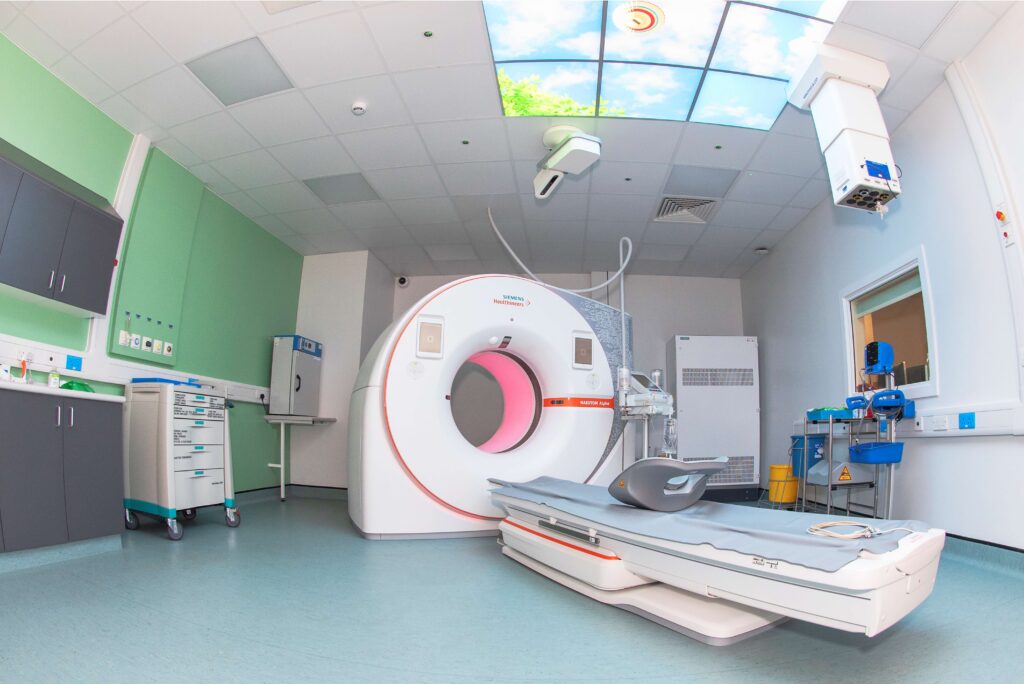
The research team from the University of Oxford’s Radcliffe Department of Medicine, led by Professor Charalambos Antoniades, say the programme is the first ever that can accurately predict heart failure using routine cardiac CT scans performed to investigate chest pain or other conditions.
These scans are routinely done at NHS hospitals to spot problems in the heart, typically to look for fatty plaques in coronary arteries. About 350,000 patients are referred for a cardiac CT scan each year in the UK.
The study was published in the Journal of the American College of Cardiology. It explained how Professor Antoniades’s team developed the tool to identify textural changes in the fat around the heart that indicate that the heart muscle underneath is inflamed and unhealthy.
These changes are not visible to the human eye with any routine medical imaging tests.
This information is analysed by AI to warn doctors if a person is at high risk of developing heart failure. The study found that those in the highest risk group were 20 times more likely to develop heart failure than those in the lowest risk group. The people in the highest risk group had around a one in four chance of developing heart failure within five years.
Using this information, doctors can then take steps to try and prevent heart failure developing or manage the condition.
The AI tool was trained and validated on more than 70,000 individuals from across nine NHS Trusts, who were followed up for a decade after they had the cardiac CT scans.
Heart failure is a debilitating condition where the heart is not pumping blood around the body as well as it should, due to damage or problems with the heart muscle. It’s estimated that more than one million people in the UK have heart failure.
The condition is often caused by damage to the heart during a heart attack, either immediately or with time, but there are many other conditions that cause problems with the heart muscle that gradually lead to heart failure.
The new AI tool identifies slower development of heart failure and those most at risk of it. Until now, there has been no way to accurately predict who may develop heart failure this way.
The Oxford researchers found that the fat around the heart can act as a ‘sensor’ of early disease messages from the heart, changing its texture and composition many years before actual heart disease develops.

Professor Antoniades (pictured, left) said: “We have used developments in bioscience and computing to take a big step forward in treating heart failure. Our new AI tool is able to take cardiac CT scan data and produce an absolute risk score for each patient without any need for human input. Although this study used cardiac CT scans, we are now working towards applying this method to any CT scan of the chest, performed for any reason.
“This will allow doctors to make more informed decisions about the best way to treat patients, giving the most intensive treatment to those at the highest risk. We hope that, if this program is rolled out nationwide, it could reduce hospital pressures by helping patients live well for longer.”
Researchers trained the AI using anonymised cardiac CT scan results from over 59,000 people across England. The algorithm assessed the fat around the heart and whether a person had developed heart failure in the next five years to learn how to spot the early signs of the condition.
The programme was then tested using scan results from a further 13,424 people in England. The researchers found that the algorithm could predict the risk that a person developed heart failure in the next five years with 86 per cent accuracy.
Having a person’s risk score could help doctors make decisions around a patient’s care, such as how closely they should be monitored. Treatment will vary from patient to patient, depending on the conditions they have that are putting them at high risk.
The team are now seeking regulatory approval to roll out the tool across the NHS. They hope to add it to the normal cardiac CT scan analysis done in radiology departments in hospitals across the country.
The AI tool is also being upgraded by the researchers so it can be used for any CT scan of the chest, not just cardiac ones. They expect the programme to be adapted to work on lung CT scans within the next few months. This would help doctors spot even more people opportunistically who are at risk of heart failure.