
Scientists in Oxford have developed a faster way to identify the organisms causing bloodstream infections and to predict antibiotic resistance using rapid DNA sequencing, a move that could improve the care of sepsis patients in hospital and reduce unnecessary antibiotic use.
Up to 245,000 people develop sepsis each year in the UK, and 48,000 die as a result.
There are many different bacteria and other organisms, including fungi, that can cause these bloodstream infections. Some bacteria may also be resistant to standard antibiotics. Previous research has shown that as many as 30% of patients receive antibiotics that are not expected to work when they first come to hospital.
Currently, the method of identifying which organisms are responsible for infections in hospital is to grow them from a blood sample. This can take between one and three days; if bacteria are successfully grown, they are then grown again in different antibiotics to see which will kill them and which the bacteria are resistant to. This informs which antibiotics should be used to treat the patient successfully.
The research team, supported by the NIHR Biomedical Research Centre (BRC): Oxford, developed a method based on genetic sequencing to work out in real time which bacteria were causing infections and at the same time which antibiotics they were resistant to.
The study, whose findings were published in The Lancet Microbe, was led by David Eyre, Professor of Infectious Diseases at the University of Oxford’s Big Data Institute and Honorary Consultant in Infectious Diseases and Medical Microbiology at Oxford University Hospitals NHS Foundation Trust.
He said: “We know that treating these bloodstream infections rapidly is vital to increase the chances of survival. But clinicians often need to start giving antibiotics before the lab results are available. All too often, the first antibiotics given to a patient do not kill the bacteria, so we need to change antibiotics, which delays patients getting the most effective treatment.”
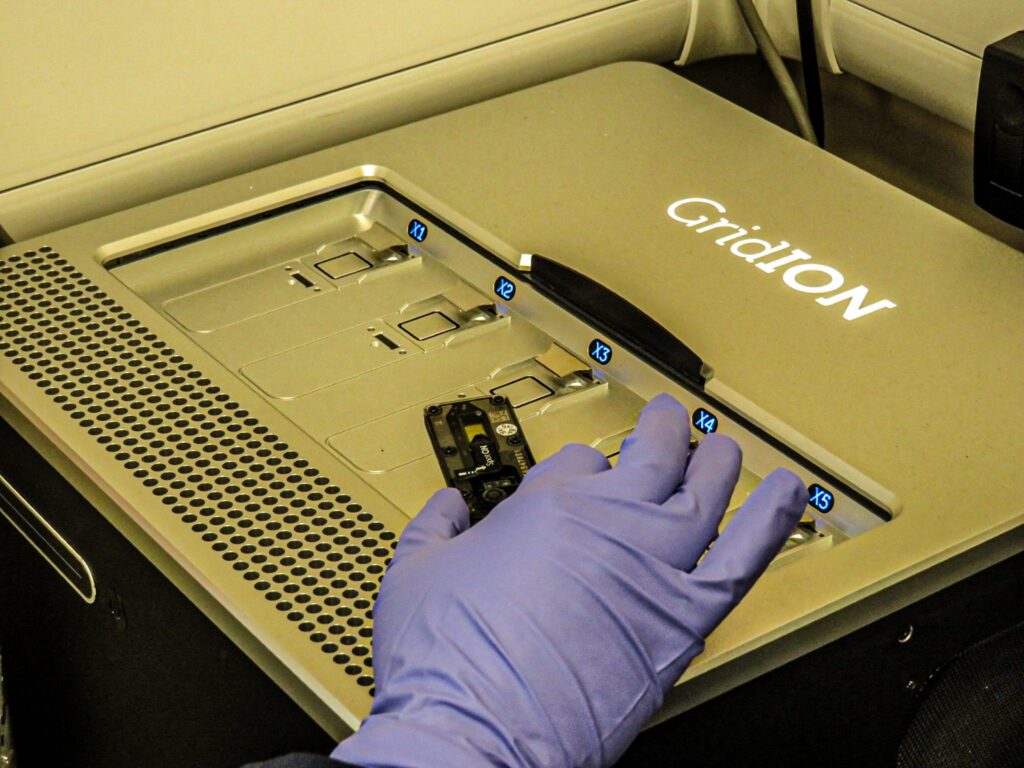
Professor Eyre’s team used an Oxford Nanopore sequencing device to read all the DNA in a positive blood sample to not only identify the infecting organism, but also to look for known genetic markers of antimicrobial resistance. This was the largest study in which this metagenomic sequencing had been used in a clinical setting on routine blood samples.
Co-author and BRC Oxford researcher Dr Kumeren Govender said: “In nearly 300 samples, we showed that this was a highly accurate method for finding the bacteria that standard lab testing found, and it did this much quicker than standard testing –around three and a half hours after we first detected bacteria growing, instead of 12. We were also able to identify resistant infections 20 hours faster than the current standard testing.”
As well as the more common pathogens found by routine testing, this sequencing approach found 18 additional bacteria that standard testing had never found that were plausible causes of a patient’s infection.

Professor Eyre, who is also Co-lead for the NIHR BRC: Oxford’s Modernising Medical Microbiology and Big Infection Diagnostics Theme, added: “These findings are extremely encouraging and demonstrate the huge potential of sequencing to improve diagnosis in bloodstream infections and to inform decisions around the most effective antibiotic treatments.
“The fact we can rapidly identify the organism and detect antibiotic resistance in one go could be a gamechanger in our efforts to tackle sepsis in our hospitals, as it means we would be able to get the right drugs to patients within hours rather than days.”
He added that this study had shown how this fast, accurate identification of pathogens – even ones that had been previously undetected – could be integrated into existing clinical workflows, reducing delays in diagnosis and allowing quicker targeted treatment.
Professor Eyre’s team will now carry another BRC Oxford-supported study comparing this sequencing method with four other potential new methods for finding pathogens or antibiotic resistance in bloodstream infections – assessing their accuracy, speed and user experience – and assessing them alongside standard laboratory methods.
“This kind of study is very rare; most look at just one new method at a time, making it difficult for the NHS to decide which technology they should invest in,” Professor Eyre explained.
Alongside the study, the team will conduct a national survey of NHS hospitals on how they currently diagnose bloodstream infections to work out where the tests might have most benefit for patients. A parallel health economics study will estimate which technology or technologies provides best value for money for the NHS.