

The NIHR’s Your Path in Research campaign aims to encourage healthcare professionals to get involved in research or to further their career in research. Colin Forde is a physiotherapist at Oxford University Hospitals’ orthopaedic trauma outpatient department. He is completing a NIHR Doctoral ... READ MORE
News Archive
Your Path in Research – Sheera Sutherland

The NIHR’s Your Path in Research campaign aims to encourage healthcare professionals to get involved in research or to further their career in research. Sheera Sutherland is a research nurse manager in the Oxford Kidney Unit. She completed an Oxford BRC preparatory fellowship in 2018 and is about to ... READ MORE
Your Path in Research – Joanna Snowball

The NIHR’s Your Path in Research campaign aims to encourage healthcare professionals to get involved in research or to further their career in research. Joanna Snowball has worked as a dietitian at Oxford University Hospitals since 2005, and for most of that time at the Oxford Adult Cystic Fibrosis ... READ MORE
RECOVERY Trial paper wins BMJ’s Research Paper of the Year Award

The RECOVERY Trial, the world’s largest randomised trial of potential COVID-19 treatments, has been announced as the 2021 winner of The British Medical Journal’s prestigious UK Research Paper of the Year Award. The award recognises original UK research that has the potential to ... READ MORE
New atlas reveals pre-birth development of blood cells in bone marrow
A new study has provided the most detailed analysis so far of the prenatal development of blood and immune cells in the bone marrow. The study, published in Nature, is part of the Human Cell Atlas (HCA) initiative to provide comprehensive reference maps of every cell type in the human ... READ MORE
Moonshot initiative to develop affordable COVID-19 antivirals gets funding boost

The COVID Moonshot, a non-profit, open-science consortium of scientists from around the world dedicated to the discovery of globally affordable and easily-manufactured antiviral drugs against COVID-19 and future viral pandemics has received key funding of £8 million from the Wellcome Trust, on ... READ MORE
New multi-cancer early detection blood test study opens
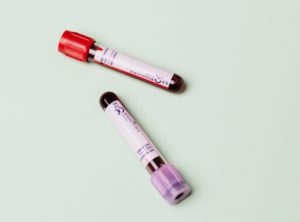
Volunteers in Oxfordshire are taking part in a new study that will trial a revolutionary new blood test that can detect more than 50 types of cancer before symptoms appear. The aim of the SYMPLIFY study, which is being led by the University of Oxford and is open at Oxford University Hospitals ... READ MORE
MAIT Cell activation may play role in COVID-19 deaths, study finds
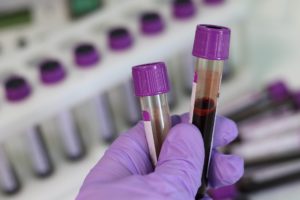
Oxford researchers have found a correlation between deaths from COVID-19 infections and a poorly coordinated systemic immune response, as well as increased activity by Mucosal Associated Invariant T cells, or ‘MAIT cells’. A study involving Oxford BRC-supported researchers published ... READ MORE
Researchers develop algorithm to diagnose deep vein thrombosis
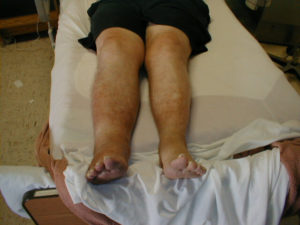
Researchers are developing an artificial intelligence (AI) algorithm to diagnose deep vein thrombosis (DVT) more quickly and as effectively as traditional radiologist-interpreted diagnostic scans, potentially cutting down long patient waiting lists and avoiding patients unnecessarily receiving drugs ... READ MORE
Next generation of healthcare leaders showcase projects

The second edition of the NIHR Oxford BRC’s Next Generation Leaders Programme came to a successful close on 6 September with course participants presenting the healthcare research quality improvement projects that had been working on. The Next Generation Leaders Programme has been commissioned ... READ MORE
British Heart Foundation Cardiovascular Catalyst Awards
The BHF are pleased to announce an upcoming call for applications to fund research into the use of advanced analytics to improve cardiovascular care delivery and outcomes in the NHS. A £1 million fund is available, and proposals for research projects lasting up to two years and costing up to ... READ MORE
Study investigates responses to COVID-19 treatment in chronic lymphoid leukaemia patients
The COVID-19 pandemic has led to understandable anxiety within the blood cancer community about how their illness may affect their ability to overcome COVID-19 infection. Members of the Oxford Centre for Haematology have led a collaborative research project looking at the response of patients ... READ MORE
Lowering blood pressure still beneficial for the heart in old age
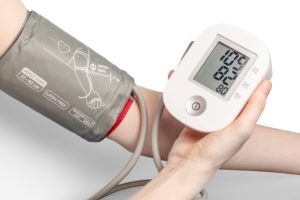
Oxford University researchers have found that blood pressure medication is still effective at reducing the risk of a heart attack and stroke in old age, even if blood pressure is in an apparently healthy range. The research by Professor Kazem Rahimi, who is supported by the NIHR Oxford ... READ MORE
New study launched to understand vaccine escape
Oxford researchers will be involved in a major new study seeking to understand why some people become infected after vaccination or prior infection while others do not Oxford BRC-supported investigators already involved in the Protective Immunity from T-Cells in Healthcare workers (PITCH) study ... READ MORE
Vaccination still best protection, but less effective against Delta variant, study finds
The latest findings of an ongoing national study of COVID-19 immunity in households across the UK has found that the Pfizer-BioNTech and Oxford-AstraZeneca vaccines offer good protection against new infections of the Delta variant of concern, but that effectiveness is reduced compared with the Alpha ... READ MORE
Second study confirms benefits of budesonide in early stages of COVID-19
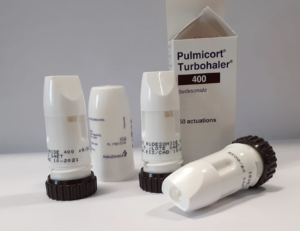
A UK-wide clinical study has confirmed the findings of an earlier Oxford BRC-supported study showing that the early treatment with the inhaled asthma medication budesonide speeds up recovery from COVID-19 and reduces the risk of hospitalisation and death. The latest study – part of the PRINCIPLE ... READ MORE
Consultation on the draft NIHR Oxford Biomedical Research Centre Patient and Public Involvement and Engagement Strategy (2022-2027)

We are undertaking a public consultation on the draft Oxford Biomedical Research Centre (BRC) Patient and Public Involvement and Engagement (PPIE) Strategy (2022-2027). The consultation runs until 12th September 2021. In order to hear views from a diverse range of people, we ... READ MORE
First person receives drug designed to re-sensitise patients to cancer treatment
The first patient has been dosed using a new drug aimed at improving treatment options for melanoma and non-small cell lung cancer (NSCLC) and re-sensitising patients with checkpoint therapy-resistant tumours The IMP-MEL clinical trial began in Oxford with its first patient being dosed with the ... READ MORE
BRC-supported study receives Best Research Paper Award

A leading cardiology journal has named an academic paper written by Oxford BRC-supported researchers as its best research paper of 2020. The paper – which found that two common heart medication do not increase the risk of COVID-19 hospitalisation – was named by the BMJ Heart journal as the ... READ MORE
Oxford BRC takes part in NIHR initiative to promote race equality in health research

The Oxford Biomedical Research Centre (BRC) is to take part in a three-month reflective assessment of its delivery of race equality in health research, starting this month. The initiative, led by the NIHR, involved 13 organisations delivering health research in higher education, local ... READ MORE
- « Previous Page
- 1
- …
- 14
- 15
- 16
- 17
- 18
- …
- 49
- Next Page »