

The Oxford Biomedical Research Centre (BRC) is to take part in a three-month reflective assessment of its delivery of race equality in health research, starting this month. The initiative, led by the NIHR, involved 13 organisations delivering health research in higher education, local ... READ MORE
News Archive
Context important in assessing gender equity in BRCs
A study by NIHR Oxford Biomedical Research Centre researchers has concluded that the markers of achievement for monitoring gender equity in BRCs should take into account contextual factors specific to BRCs and women’s career progression and professional advancement. The study, published as a ... READ MORE
Liver problems common among COVID-19 patients, study finds
A study by Oxford University researchers has found that liver problems are common among patients with COVID-19. Patient data revealed that baseline hypoalbuminemia (an possible indication that the liver is producing low levels of albumin) and rising alkaline phosphatase (ALP), which can be a ... READ MORE
Oxford studies benefit from government funding of long COVID research
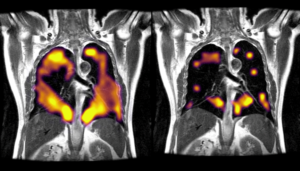
Thousands of people suffering with long COVID will benefit from new research programmes backed by £19.6 million to help better understand the condition, improve diagnosis and find new treatments. Among the 15 studies that will receive government funding through the National Institute for Health ... READ MORE
COVID-19 risk prediction tool wins national award

A COVID-19 risk prediction tool, developed with support from the NIHR Oxford Biomedical Research Centre (BRC) has won the Florence Nightingale Award for Excellence in Healthcare Data Analytics. The QCovid® COVID-19 Population Risk Assessment tool was developed by a cross-organisational team and ... READ MORE
Oxford Cancer launched at the University of Oxford

Oxford Cancer has been launched to represent and coordinate cancer research in Oxford. The pan-divisional initiative has been launched at the University of Oxford, bringing together the collective force of cancer research, outreach and care that happen across the city. With more than 900 ... READ MORE
Antiviral drug could be given to more chronic hepatitis B patients, study finds
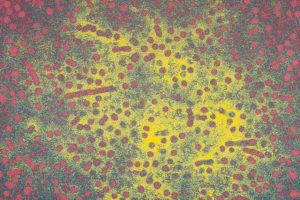
A study by Oxford University researchers has found that the antiviral drug TDF may benefit a greater number of patients with chronic hepatitis B virus, and that those who are untreated may be at greater risk of liver inflammation and fibrosis. The research was carried out under the auspices of ... READ MORE
“Modest” increase in heart attack hospitalisation rates after years of decline

The burden of hospital admission rates due to heart attacks in England rose between 2012 and 2016, despite decades of falling rates, new research suggests. The researchers also found that after 2010-2011, admission rates increased in most age groups. Young women aged 35 to 49 and even younger ... READ MORE
AI replaces contrast dye for fast, cheaper and needle-free cardiac MRI scans
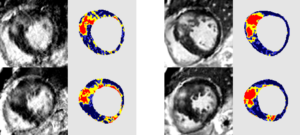
A team from Oxford comprising artificial intelligence (AI) scientists, magnetic resonance specialists and cardiologists have developed a new cardiac magnetic resonance (CMR) scan for detecting heart muscle disease. The current ‘gold standard’ for imaging heart muscle disease is CMR, using a ... READ MORE
New Senior Research Fellows named

The NIHR Oxford BRC has announced the appointment of its latest group of Senior Research Fellows – the third cohort of emerging research leaders to receive the accolade. Like in 2020, this year’s selection process was a coordinated effort by the Oxford BRC and its partners in the NIHR ... READ MORE
Study investigating targeted drug delivery by focused ultrasound for pancreatic cancer opens
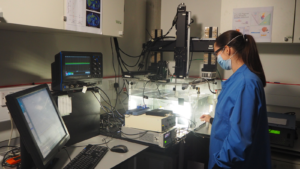
University of Oxford researchers have begun recruitment to a study looking at whether chemotherapy medication can reach pancreatic tumours more effectively if encapsulated within a heat-sensitive shell and triggered with focused ultrasound. The Phase I PanDox study, which is supported by the ... READ MORE
Delayed second dose and third doses of the Oxford vaccine lead to heightened immune response to COVID-19
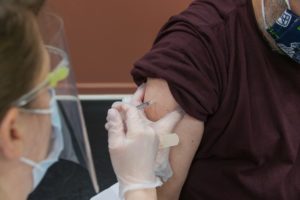
A longer delay of up to 45 weeks between the first and second dose of the Oxford-AstraZeneca vaccine leads to enhanced immune response after the second dose, the latest research by the Oxford Vaccine Group has found. They also found that a third dose given more than six months after the second ... READ MORE
Major grant to strengthen research and benefit patients

Oxford University Hospitals (OUH) has made a grant of £11.5 million to the University of Oxford, which the University will match with other funding, to allow the development of major clinical research facilities which have the potential to support the introduction of innovative and ground-breaking ... READ MORE
Latest data on immune response to COVID-19 reinforces need for vaccination

A new study led by University of Oxford has found that previous infection, whether it was symptomatic or asymptomatic, does not necessarily protect you long term from COVID-19, particularly against new variants of concern. The PITCH Study (Protective Immunity from T cells to COVID-19 in Health ... READ MORE
Impaired antibody response to COVID-19 vaccination in patients with myeloid blood cancers
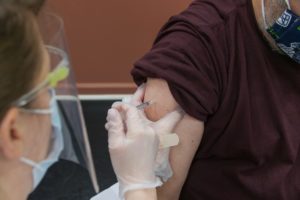
Oxford researchers have found that antibody responses to the first doses of COVID-19 vaccine in people with chronic myeloid blood cancers are not as strong as those among the general population. While this is expected to improve with the second dose, this important finding may help influence ... READ MORE
Oxford wins government funding to evaluate prostate cancer detection system

A prostate cancer detection software system to help pathologists quickly identify suspicious areas of tissue, developed by the digital diagnostic company Paige, will be investigated in a multicentre clinical study led by the University of Oxford as part of a successful NHSX Artificial Intelligence ... READ MORE
Treating needle fears may reduce COVID-19 vaccine hesitancy
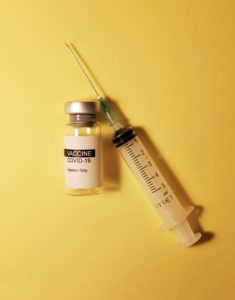
A new large-scale study shows that a quarter of the UK adult population has a potential injection phobia, and these individuals are twice as likely to be put off getting a COVID-19 vaccine. The study indicates that if all injection anxiety in the population was removed, just over 10 per cent of ... READ MORE
RECOVERY Trial identifies another effective COVID-19 treatment

The RECOVERY Trial, the world’s largest randomised trial of potential COVID-19 treatments, has found that a monoclonal antibody combination developed by US company Regeneron reduces deaths for hospitalised COVID-19 patients who have not mounted their own immune response. The ... READ MORE
Professor Susan Jebb appointed as Chair of the Food Standards Agency

Professor Susan Jebb, the Oxford BRC’s Theme Lead for Obesity, Diet and Lifestyle, has been appointed as the new Chair of the Food Standards Agency. Prof Jebb, Professor of Diet and Population Health in Oxford University’s Nuffield Department of Primary Care Health Sciences, said: "I am ... READ MORE
BRC-supported researchers recognised in Queen’s Birthday Honours

A number of NIHR Oxford BRC-supported researchers who have played prominent roles in the global response to the COVID-19 pandemic have been honoured as part of the Queen’s Birthday Honours List. The researchers, who have developed new vaccines or identified new drug treatments, have saved many ... READ MORE
- « Previous Page
- 1
- …
- 16
- 17
- 18
- 19
- 20
- …
- 50
- Next Page »