

Oxford researchers have launched a study investigating the impact of the COVID-19 pandemic on sleep and daily rhythms in adults. The UK arm of the International COVID-19 Sleep Study (ICOSS) is led by Professor Colin Espie from the Nuffield Department of Clinical Neurosciences at the University ... READ MORE
Oxford leads part of major COVID-19 drugs trial
As part of a new UK trial researchers at the University of Oxford will investigate whether administering the anti-inflammatory drug infliximab to patients with COVID-19 can prevent progression to respiratory failure or death. The multi-arm, multi-stage CATALYST Trial, is being led by the ... READ MORE
Oxford BRC researchers present findings as STARBIOS2 ends

Oxford BRC-funded researchers have presented important new findings in the field of gender equity and women in Biomedical Research Centres at the final event of the international STARBIOS2 project. Started in 2016, STARBIOS2 (Structural Transformation to Attain Responsible BIOSciences) is a ... READ MORE
Drug trial could lead to enhanced respiratory care for COVID-19 patients

Researchers at the University of Oxford are working with clinical collaborators from NHS hospitals, including Oxford University Hospitals, to test a drug that could raise oxygen levels in the blood in COVID-19 patients in order to improve their chances of recovery. Raising oxygen levels is ... READ MORE
Study sheds light on breast cancer risk after pre-invasive disease
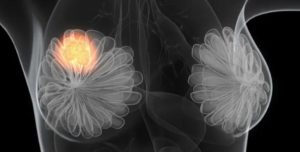
Women who are diagnosed with ductal carcinoma in situ (known as DCIS) during breast screening go on to experience higher risks of developing breast cancer and of death from breast cancer, compared with the general population, according to a study by Oxford researchers. DCIS is a disease where ... READ MORE
Oxford COVID-19 vaccine to begin phase II/III human trials
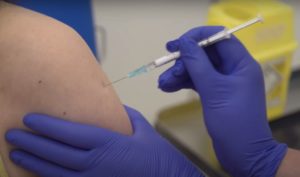
University of Oxford researchers have begun recruiting for the next phase in human trials of a COVID-19 vaccine in human volunteers. The phase I trial in healthy adult volunteers began in April. More than 1,000 immunisations have been completed and follow-up is currently ongoing. The next ... READ MORE
BRC theme lead to study ‘remote-by-default’ care in COVID-19 pandemic

A senior Oxford BRC investigator has received major government funding for a new study to support general practitioners to deliver effective remote care to their patients during the COVID-19 pandemic. Professor Trisha Greenhalgh (pictured right), of the University of Oxford’s Nuffield ... READ MORE
BRC cancer lead elected Royal Society Fellow

The NIHR Oxford BRC’s Theme Lead for Cancer, Professor Xin Lu, has been elected as a Fellow of the Royal Society, in recognition of her contribution to cancer biology. As well as her role with the Oxford BRC, Xin Lu is Director of the Ludwig Institute for Cancer Research, Oxford Branch in the ... READ MORE
Oxford COVID-19 vaccine begins human trial stage
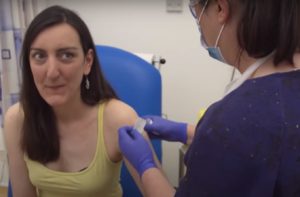
University of Oxford researchers have begun testing a COVID-19 vaccine in human volunteers in Oxford. Around 1,110 people will take part in the trial, half receiving the vaccine and the other half (the control group) receiving a widely available meningitis vaccine. Of the first two ... READ MORE
Large-scale COVID-19 infection and antibody test study launched

Some 20,000 households across England are being contacted to take part in the first wave of a major new government study to track the COVID-19 coronavirus in the general population. The study will help improve understanding around the current rate of infection and how many people are likely to ... READ MORE
BRC funds three further COVID-19 studies
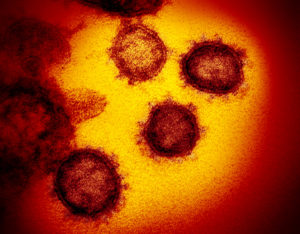
Three more studies are being funded by the NIHR Oxford Biomedical Research Centre (BRC) to look at the way the body interacts with COVID19; these include assessing the safety of a new vaccine; the role that antibodies might play in plasma therapy; and blood biomarkers that determine adverse ... READ MORE
Common antibody test can be adapted for COVID-19, study finds
Research led from Oxford has found that an immunological assay commonly used to measure antibodies, antigens and proteins in biological samples can be specifically adapted to detect and quantifying COVID-19 antibodies. The investigations by the National COVID Testing Scientific Advisory ... READ MORE
BRC funds new COVID-19 research projects
The NIHR Oxford Biomedical Research Centre (BRC) has allocated funding to three COVID-19 research projects in an attempt to improve treatment, understand how the virus interacts with chronic diseases, and the longer-term effects of infection on organs. The funding, originally earmarked for BRC ... READ MORE
Seven new Senior Fellows named

The Oxford BRC is delighted to announce the appointment of seven new Senior Research Fellows, the second cohort of emerging research leaders to receive the accolade. The selection process was a coordinated effort by the Oxford BRC and its partners in the NIHR Oxford Health BRC, which focuses on ... READ MORE
New wearable technology used to monitor COVID-19 patients
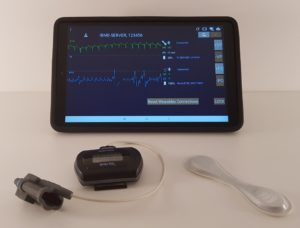
Wearable technology that monitors patients’ vital signs is being used with COVID-19 patients on the isolation ward at the John Radcliffe Hospital. The technology has been developed by biomedical engineers and medical researchers supported by the NIHR Oxford Biomedical Research Centre ... READ MORE
GP practices urged to join COVID-19 research

Oxford researchers have launched a study to track the spread of COVID-19 in the population and develop a deeper understanding of the virus in general practice. The University of Oxford’s Nuffield Department of Primary Care Health Sciences (NDPCHS) and the Royal College of General Practitioners ... READ MORE
Oxford COVID-19 vaccine programme opens for clinical trial recruitment
University of Oxford researchers, working in an unprecedented vaccine development effort to prevent COVID-19, have started screening healthy volunteers ahead of a vaccine trial. The NIHR Oxford Biomedical Research Centre (BRC) provided essential funding to get the trial up and running. The ... READ MORE
Article addresses remote assessment of COVID-19 in primary care

An article by a leading Oxford researcher has outlined the guiding principles on how general practitioners should conduct remote consultations with patients who are suspected of having COVID-19. The article, published in the BMJ, is by Prof Trish Greenhalgh (pictured), the Oxford BRC Theme Lead ... READ MORE
Oxford researchers to play key role in fight-back against COVID-19
Researchers supported by the NIHR Oxford Biomedical Research Centre will play a crucial role in tackling the current COVID-19 pandemic, ranging from the development of a new vaccine to developing the most effective drug treatments for people who have contracted the virus. A team from the ... READ MORE
Oxford BRC statement on activities during the current COVID-19 situation
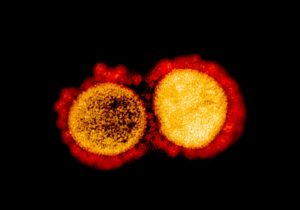
Many of the researchers we support are also clinicians, providing direct care to patients and the public, alongside their academic work. Given the scale of the national and global challenge of COVID-19 (coronavirus), BRC-funded clinical and research professionals who are working on topics ... READ MORE
- « Previous Page
- 1
- …
- 22
- 23
- 24
- 25
- 26
- …
- 33
- Next Page »