

A new National Institute for Health and Care Research (NIHR) BioResource aimed at investigating inflammatory bowel disease (IBD) in children has opened, with the NIHR Oxford BRC playing a key role. The new Paediatric Inflammatory Bowel Disease (PIBD) BioResource will drive research into Crohn’s ... READ MORE
News Archive
Unique Oxford study of vascular disease reaches 20th anniversary
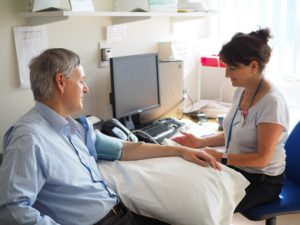
The only project of its kind anywhere that studies patients with all types of acute vascular events - including strokes, heart attacks, aneurysms - in order to develop better diagnostic tests and treatments celebrates its 20th anniversary this month. The Oxford Vascular Study (OxVasc) ... READ MORE
New drug no more effective than current treatments for post-operative knee pain
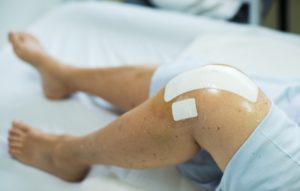
A new study has found that a drug recently licensed in the UK has no effect on post-operative knee replacement recovery or pain, compared to the current treatment when administered at the site of surgery. Knee replacement surgery is highly successful for treating severe arthritis; 100,000 ... READ MORE
Expansion of the Oxford Joint Research Office
Oxford’s Joint Research Office (JRO) has expanded to include teams from Oxford Health (OH) NHS Foundation Trust and Oxford Brookes University (OBU), joining the clinical research support teams from the University of Oxford (OU) and Oxford University Hospitals (OUH) NHS Foundation Trust. The ... READ MORE
Event highlights value of involving diverse communities in research work

The NIHR Oxford and Oxford Health Biomedical Research Centres (BRCs) have held a networking and learning event focused on the importance of diversity in research. The event took place at the Blavatnik School of Government in Oxford on 22nd March 2022 and was attended by around 60 ... READ MORE
Study finds no increased risk of rare neurological events after COVID vaccination
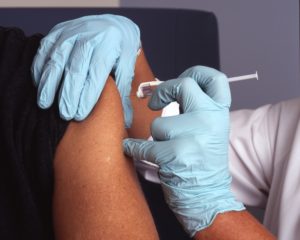
A study of more than eight million people has found no increased risk of rare neurological events after COVID -19 vaccination. However, the researchers did find a higher risk of Bell’s palsy (facial weakness), encephalomyelitis (inflammation of the brain and spinal cord) and Guillain-Barré ... READ MORE
BRC researchers lead new project to help people into remission from type 2 diabetes

NIHR Oxford BRC academics are to lead a new £2.2 million project aimed at giving more people newly diagnosed with type 2 diabetes the chance of going into remission. Professors Susan Jebb and Paul Aveyard, from the BRC’s Obesity, Diet and Lifestyle Theme, will be joining forces with Diabetes UK ... READ MORE
First UK pilot study of newborn screening for spinal muscular atrophy launched

University of Oxford researchers have launched a pilot study to conduct routine testing of newborn babies for spinal muscular atrophy (SMA) for the first time. Every five days a baby is born in the UK with SMA. If treatments are delivered at birth, these newborns have the best chance of living ... READ MORE
Blog: Developing a process to monitor populations at increased risk from coronavirus

Emma Pritchard is a Medical Statistician in the Modernising Medical Microbiology team at the John Radcliffe Hospital in Oxford. She works in the Oxford BRC’s Antimicrobial Resistance and Modernising Microbiology Theme. In this blog, Emma explains how she used the ongoing Office for National ... READ MORE
BRC launches first senior leadership training programme
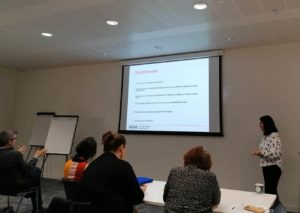
The NIHR Oxford Biomedical Research Centre (BRC) launched its first dedicated senior leadership training programme on 28 February. Fourteen senior leaders affiliated to the BRC attended the first workshop on the topic Senior Leadership Practices. Those attending came from a diverse range of ... READ MORE
Brain regions related to smell show decline after mild COVID-19
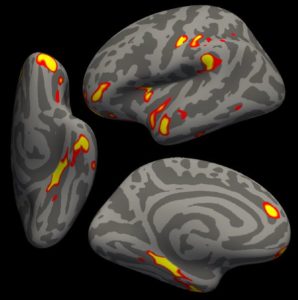
University of Oxford researchers have found tissue damage and greater shrinkage in brain areas related to smell in people following mild SARS-CoV-2 infection. The researchers, who were supported by the NIHR Oxford Biomedical Research Centre (BRC) used data from UK Biobank participants to look ... READ MORE
RECOVERY trial finds another drug to treat hospitalised COVID-19 patients
The RECOVERY Trial, the world’s largest randomised trial of potential COVID-19 treatments, has found another drug that reduces the risk of death in hospitalised patients with the disease. The Randomised Evaluation of COVID-19 Therapy (RECOVERY) trial showed that baricitinib, ... READ MORE
Oxford BRC researchers named NIHR Senior Investigators

Seven Oxford academics, six of them supported by the NIHR Oxford Biomedical Research Centre (BRC), have been named National Institute of Health Research (NIHR) Senior Investigators in recognition of their outstanding leadership in research. The NIHR describes its Senior ... READ MORE
NIHR highlights QCOVID role in tackling pandemic

The National Institute for Health Research (NIHR) has published a case study on QCOVID, a clinical risk prediction model, which has played a key role during the COVID-19 pandemic in identifying those people at greatest risk. QCOVID, developed with support from the NIHR Oxford Biomedical Research ... READ MORE
Funding boost for early-stage clinical research
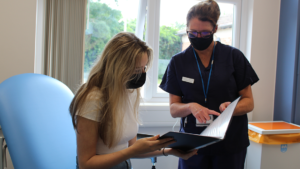
Oxford is one of 28 sites that will benefit from over £160 million awarded over five years to expand early phase clinical research for the benefit of NHS patients. The National Institute for Health Research (NIHR) announced the funding for its Clinical Research Facilities on Monday (28 ... READ MORE
Survey aims to better understand BRCs’ involved patients
The Oxford Health and Oxford Biomedical Research Centres (BRC) have developed a survey to better understand the demographic make-up of members of their various patient and public involvement and engagement (PPIE) groups. The Tell Us About You survey was developed with vital input from the two ... READ MORE
Oxford BRC’s ability to deliver rapid COVID-19 research response highlighted
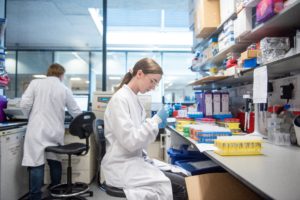
Oxford Biomedical Research Centre (BRC) researchers have highlighted how the BRC’s infrastructure gave it the agility and capacity to respond rapidly with research projects to tackle COVID-19. In a commentary published in the open access BMC Health Research Policy and Systems journal, the ... READ MORE
COVID-19 blog: accelerating testing with robotics
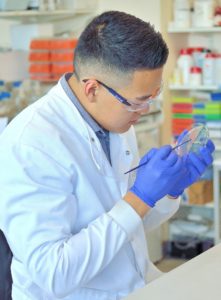
PhD student Kevin Chau, who works in the Oxford BRC’s Antimicrobial Resistance and Modernising Microbiology Theme, has played his part in the pandemic response as part of the Modernising Medical Microbiology team at the John Radcliffe Hospital in Oxford. In this blog post written for the Medical ... READ MORE
Review highlights impact of Long COVID on cardiovascular system

The wide-ranging effects of long COVID and the associated issues for healthcare providers have been revealed in a new review of the major studies into the condition, which specifically highlights the impact of long COVID on the cardiovascular system. The review, published in the European Heart ... READ MORE
Senior Fellows attend first EDI workshop

Eight researchers supported by the National Institute for Health Research (NIHR) have attended the first dedicated training session on Equality, Diversity and Inclusion (EDI) for BRC Senior Research Fellows. The NIHR Oxford Senior Research Fellowship, an initiative run jointly by the Oxford ... READ MORE
- « Previous Page
- 1
- …
- 13
- 14
- 15
- 16
- 17
- …
- 50
- Next Page »