NIHR Oxford Biomedical Research Centre

Enabling translational research through partnership

MENUMENU
  • About
    • About the NIHR Oxford Biomedical Research Centre
    • Impact
    • Our next BRC
    • Steering Committee
    • Promoting equality, diversity and inclusion in research
    • Current Vacancies
    • Stay in Touch
    • Contact Us
  • Research

        • Research Overview
        • Clinical Research Facility
        • Health Economics
        • Ethics in the NIHR Oxford BRC
        • Medical Statistics
        • Infections in Oxfordshire Database (IORD)
        • 15 Research Themes

        • Cancer
        • Cardiovascular Medicine
        • Digital Health from Hospital to Home
        • Gene and Cell Therapy
        • Genomic Medicine
        • Imaging
        • Inflammation across Tissues
        • Life-saving Vaccines
        • Metabolic Experimental Medicine
        • Modernising Medical Microbiology and Big Infection Diagnostics
        • Musculoskeletal
        • Preventive Neurology
        • Respiratory Medicine
        • Surgical Innovation, Technology and Evaluation
        • Translational Data Science
  • Patient and Public Involvement
    • For patients and the public
    • For researchers
    • More information
  • Training Hub
    • Training Hub Overview
    • Clinical Academic Pathway
    • Internships
    • Pre-Doctoral Research Fellowships
    • Senior Research Fellowships
    • Doctoral Awards
    • Post-Doctoral Awards
    • Pre-Application Programme
    • Other Funding
    • Leadership Training
    • Useful Links
    • Training and Education Resources
    • Upcoming Training Events & Courses
    • Success Stories
  • Industry and Partnerships
    • Collaborate with Oxford BRC
    • Who Do We Work With?
    • Events
    • Partnerships News
    • Further Information and Additional Resources
    • Contacts for Industry
  • Videos
  • News
  • Events

News

You are here: Home > Respiratory Medicine > Long‑term fall in pneumothorax deaths stalled by COVID pandemic, study shows

Long‑term fall in pneumothorax deaths stalled by COVID pandemic, study shows

24 March 2026 · Listed under Respiratory Medicine, Translational Data Science

New research has found that deaths linked to spontaneous pneumothorax had been steadily falling in England for more than 15 years, but this progress was disrupted during the COVID‑19 pandemic.
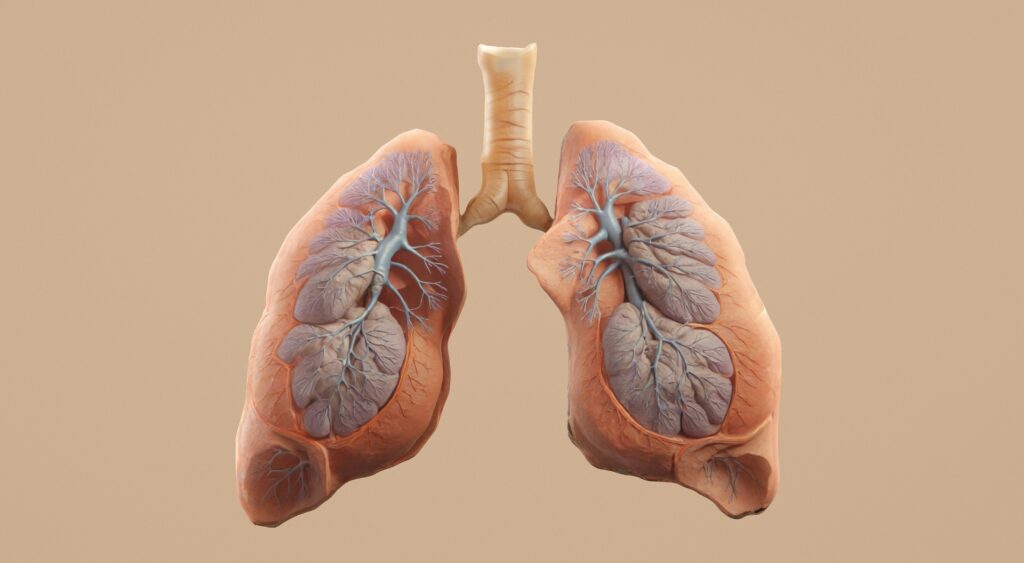
model of the lungs
Photo by Aakash Dhage on Unsplash

Spontaneous pneumothorax is the development of a tiny tear in the outer part of the lung. This causes air to leak into the space between the lung and chest wall. It is called ‘spontaneous’ because it develops in the absence of trauma or medical procedure.

Researchers from the University of Oxford’s Nuffield Department of Population Health (NDPH) analysed almost two decades of data from national hospital and death records, covering more than 6,400 deaths where pneumothorax was mentioned on the death certificate. Most of these deaths occurred in hospital, and more than 80% involved people who had an underlying chronic lung disease.

This research, published in Lancet Regional Health Europe, was supported by the NIHR Oxford Biomedical Research Centre and by Health Data Research UK.

Between 2004 and 2019, the death rate from pneumothorax fell each year. But this trend was reversed in 2020, with deaths peaking in 2021. This spike can largely be attributed to COVID‑19, which can cause severe lung damage and make pneumothorax more likely.

When COVID‑related deaths were removed, pneumothorax mortality looked similar to pre‑pandemic levels.

The study also found that pneumothorax often plays a bigger role in deaths than official statistics suggest. In recent years, it was listed as the main cause of death in fewer than one in 10 cases where it appeared on the death certificate, but it contributed directly to the chain of events leading to death in nearly two‑thirds of cases.

Xiaomin Zhong, Health Data Epidemiologist at the NDPH and lead author on the paper, said: “Deaths from pneumothorax were falling until 2019 – a decrease consistent with improvements in respiratory care and service delivery. However, the COVID-19 pandemic highlights how external factors can disrupt positive trends.

“This study also analysed the impact of factors such as age and pre-existing conditions on mortality trends. We found that elderly patients with chronic lung disease were at highest risk, underscoring the need to closely manage this vulnerable population.”

The senior author, Dr Rob Hallifax, Respiratory Consultant at Oxford University Hospital NHS Foundation Trust, added: “These findings highlight that pneumothorax is not necessarily a benign condition and can be life‑threatening, especially for older people and those living with lung disease. We hope that this study might raise awareness and lead to improved care and help patients understand the risks.”

← Two Oxford BRC researchers named NIHR Senior Investigators

Other news

News Categories

News by Month

See all news

Subscribe to the Oxford BRC Newsletter

Keep informed about the work of the Oxford BRC by subscribing to our Mailchimp e-newsletter. It is produced several times a year and delivers news and information about upcoming events straight to your inbox.

Subscribe Now

Feedback

We’d love to hear your feedback. Please contact us at obrcenquiries@ouh.nhs.uk

Oxford BRC on Social Media

  • Bluesky
  • Facebook
  • LinkedIn
  • YouTube
  • Data Control and Privacy
  • Accessibility
  • Our Partners
  • Disclaimer
  • Contact

Copyright © 2026 NIHR Oxford Biomedical Research Centre