How can bias in the medical devices used during pregnancy and the neonatal period affect health outcomes, especially for minority ethnic and socio-economically disadvantaged groups?
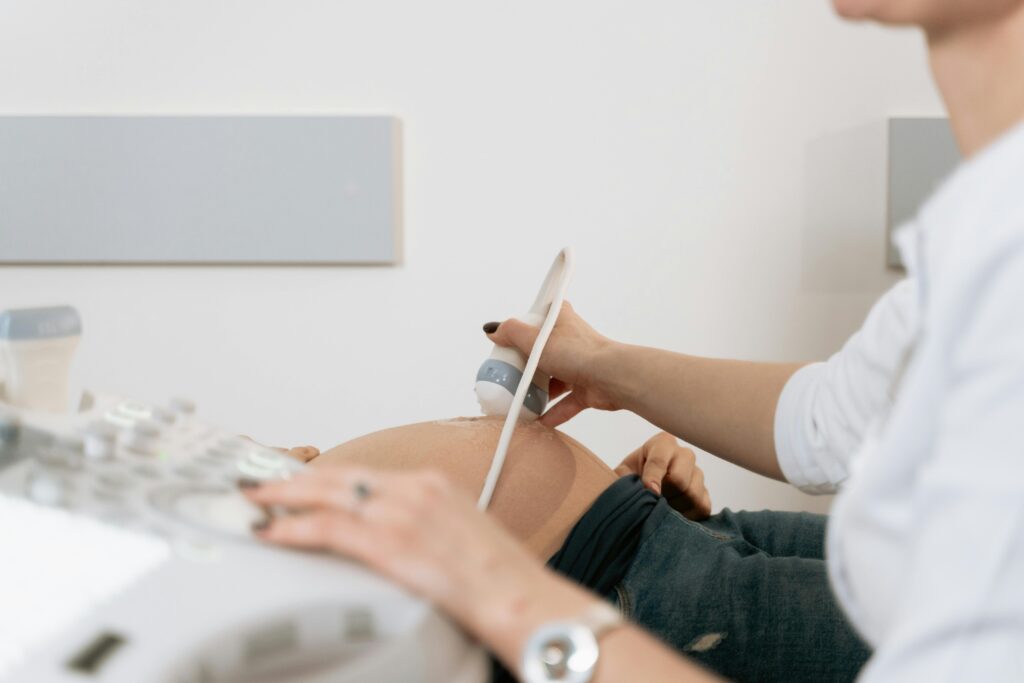
An Oxford University project, supported by the NIHR Oxford Biomedical Research Centre (BRC), is aiming to use the experiences of women to better understand how these devices are used in clinical settings and identify specific biases in how they perform and are accessed.
Working closely with patients, experts and community groups, the PROMISE (Perinatal and Obstetric Medical Devices: Solutions for Equity) project, which got under way last month, aims to develop clear policy and research recommendations to ensure these technologies support equitable and effective care for all.
The project is co-led by Aris Papageorghiou, Professor of Fetal Medicine at the University of Oxford’s Nuffield Department of Women’s and Reproductive Health and Director of Research of the Oxford Maternal and Perinatal Health Institute (OMPHI), and Lisa Hinton, Associate Professor in the Medical Sociology and Health Experiences Research Group, Nuffield Department of Primary Care Health Sciences.
Dr Hinton said: “We know from recent figures that, despite overall improvements in maternity care in the UK, there are still ongoing disparities for women from minority ethnic backgrounds and those living in deprived areas. Research tells us that systemic biases in the medical system may be limiting access to high-quality maternal and neonatal healthcare for some groups of women.”
The most recent Mothers and Babies: Reducing Risk through Audit and Confidential Enquiries (MBBRACE) report, published earlier this month, noted that women in the poorest areas face a maternal mortality rate more than double that of women in affluent areas.
The PROMISE team will collaborate with clinicians and stakeholders involved in developing devices, but fundamental to the project is capturing the first-hand experiences of those who use maternity services.
The importance of inclusive design in healthcare research is central to the PROMISE study, as highlighted by Dr Ashley Younger, a Postdoctoral Researcher in the Nuffield Department of Women’s and Reproductive Health and Co-Investigator on the study: “Including the perspectives of people with lived experience of receiving and providing care is central. These perspectives will help us to identify which medical devices they have used or encountered and contribute to our understanding of whether biases in their use contribute to disparities in health outcomes. Ultimately, we want to determine if medical devices need to be rethought, redesigned and delivered in more inclusive ways that ensure more equitable maternal and neonatal health outcomes.
To ensure the research reflects the real experiences of those affected by bias in medical devices, the project will be guided throughout by a Patient and Public Involvement (PPI) advisory group. This group will be led by Keji Moses, founder of Mayah’s Legacy, a charity established to raise awareness of the often-overlooked mental health impact of pregnancy loss and the inequalities within maternity care.
The project will also include qualitative research with both care providers and recipients to deepen understanding and ensure meaningful insights.
The PROMISE project is organised into four themes: Mapping Medical Device Use; Gathering Women’s and Pregnant People’s Perspectives; Identifying Bias in Medical Devices; and Developing Research and Policy Recommendations.