The first volunteer has received a dose in a first-in-human trial of a vaccine developed in Oxford against Lassa fever, marking a major milestone in the fight against the deadly virus.
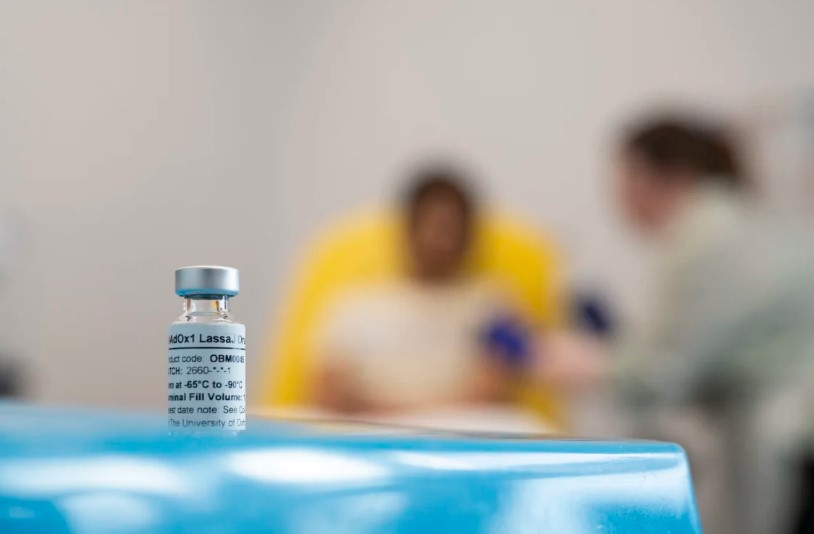
The trial, conducted by the Oxford Vaccine Group, and funded by the Coalition for Epidemic Preparedness Innovations (CEPI), will assess the safety and immune response of the ChAdOx1 Lassa vaccine. 31 people aged 18-55 will participate in the trial in total.
Research into the vaccine has been supported by the NIHR Oxford Biomedical Research Centre.
Lassa fever is caused by the Lassa virus, which is primarily spread by rodents and can result in serious illness including deafness, severe bleeding and even death. First discovered in the late 1960s in Nigeria, Lassa fever is endemic in West Africa.
The World Health Organization (WHO) has identified Lassa fever and related viruses as priority pathogens in urgent need of research and development because they pose a significant public health risk due to their potential to cause large outbreaks.
Experts estimate that up to 700 million people could live in regions at risk of Lassa fever by 2070, although there are currently no licensed vaccines or treatments for Lassa fever.
Developed by researchers at the University of Oxford’s Pandemic Sciences Institute, the vaccine is made using the same viral vector platform as the Oxford/AstraZeneca COVID-19 vaccine, which is estimated to have saved millions of lived during the pandemic.

Commenting on the launch of the trial, Professor Maheshi Ramasamy (pictured left), Chief Investigator of the trial at the Oxford Vaccine Group, said: “Vaccines are one of the most powerful tools we have in global health: they save lives, stop outbreaks, and strengthen health systems, so we’re delighted to start the VITAL01 Lassa fever vaccine study here in Oxford.
“Building on Oxford’s world-leading experience in developing vaccines for emerging infections and pandemics, including COVID-19, this study is a crucial step toward protecting vulnerable communities from the devastating impact of Lassa fever.”