
The largest clinical trial of its kind has found that resurfacing the kneecap during total knee replacement is likely to be the most cost-effective approach for patients and healthcare systems in the long term.
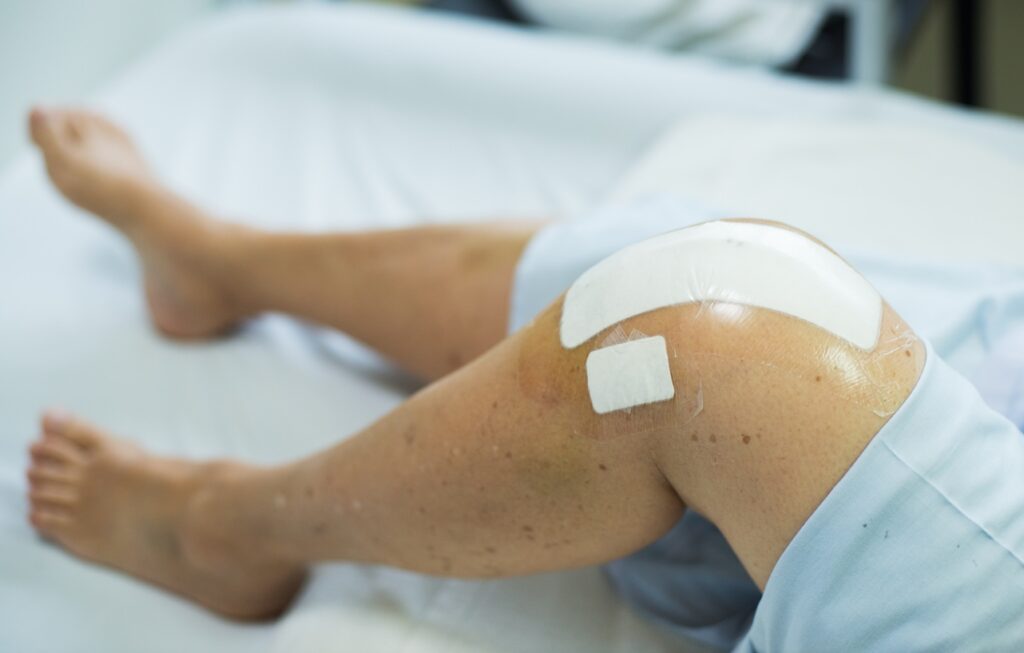
Researchers from the Universities of Oxford and Aberdeen followed more than 1,700 patients for 20 years as part of the KAT (Knee Arthroplasty Trial) study, making it the longest randomised controlled trial ever conducted in knee orthopaedics.
Total knee replacement is one of the most common operations performed in the NHS. Although it is generally highly successful, up to one in five patients continue to experience pain or reduced function after surgery. Many of these poor results are thought to relate to the movement between the kneecap and the underlying knee replacement.
One potential solution is kneecap resurfacing, which involves replacing the damaged underside of the kneecap with a smooth artificial surface during knee replacement surgery. However, whether surgeons should routinely perform this procedure has long been debated, and practice varies widely both within the UK and internationally.
The KAT study, published in The Lancet, compared outcomes for patients who had kneecap resurfacing (replacing part of their kneecap) during their knee replacement operation with those who had knee replacement without any change to the kneecap.
The study, funded by the National Institute for Health and Care Research (NIHR), and supported by the NIHR Biomedical Research Centre: Oxford found that both approaches had good outcomes over the long term with little difference between the two groups in long-term clinical outcomes, including knee function, complications and rates of further surgery.
However, most measures showed a small but consistent trend in favour of kneecap resurfacing. When costs and patient benefits were considered together, resurfacing the kneecap was very likely to offer the best value for the NHS.
David Murray, Professor of Orthopaedic Surgery at the University of Oxford’s Nuffield Department of Orthopaedics, Rheumatology and Musculoskeletal Sciences (NDORMS), said: “Although the differences in clinical outcomes were small, nearly every measure consistently favoured resurfacing. As a result, over 20 years resurfacing the kneecap provided more health benefits for the patients.
“Given these findings, we believe surgeons should now consider kneecap resurfacing as part of standard care for most patients undergoing total knee replacement.”
Associate Professor Helen Dakin from Oxford Population Health said: “Our results suggest that replacing the kneecap produces more health benefits at no extra cost.”
Professor Marion Campbell from the University of Aberdeen said: “The results provide robust evidence to support more consistent use of kneecap resurfacing in knee replacement surgery and could help reduce variation in surgical practice, particularly given the large number of procedures carried out each year across the NHS.”