
With dementia affecting 750,000 people in the UK it has become a topic of great interest receiving recognition in government strategies, media campaigns and new research.
Dementia is becoming more common and many of our lives are affected by the condition; 25 million people in the UK know a close friend, a family member or someone else with dementia.
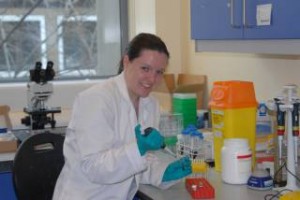 At a local level Oxfordshire provides a range of support for people affected by dementia. This includes carers’ groups, a newly established team of Dementia Care Advisors and its own dementia research network (the Dementias and Neurodegenerative Disease Research Network), based at the John Radcliffe Hospital, Oxford.
Professor Paul Francis, Director of Brains for Dementia Research (BDR) explains: “To really get to grips with dementia we need to understand the link between symptoms and the physical damage in the brain”. BDR is a national study funded by the Alzheimer’s Research Trust and Alzheimer’s Society. The project was developed to promote brain donation and create a network of brain tissue banks across England and Wales. This will enable high quality dementia research with the purpose of finding treatments that can manage symptoms, halt disease progression and ultimately cure dementia. Currently over 800 people are registered as donors with the BDR project and they are playing a vital role in helping the cause of research into dementia.
Oxford Radcliffe Hospitals NHS Trust in partnership with Oxfordshire Primary Care Trust and Oxfordshire & Buckinghamshire Mental Health NHS Trust is inviting people across Oxfordshire to take part in BDR. We are looking for people who have been diagnosed with a memory impairment (or dementia) as well as people without a diagnosed memory problem over 70 years of age. Potential donors are asked, in discussion with their families, to complete a form consenting to regular monitoring of memory, thinking and behaviour (every 1-2 years) and the intention to donate their brain after death.
A participant explained why they decided to take part:
“We were both of the opinion that after death anything which could be of use to future generations could be removed prior to the funeral. Our early up bringing during post war shortages may well have influenced our “make best possible use of everything” philosophy.”
We recognise that this is not an easy thing to consider and are mindful of the fact that tissue donation happens at a distressing time for families. Participation in the initiative is completely voluntary and participants can withdraw at any time without giving a reason.
For many, signing up to become a brain donor can help to reduce the helplessness that they feel in the face of dementia. People often want to take this step as a personal and practical contribution towards research that will uncover new ways to treat and prevent dementia.
If you would consider donating your brain after death and would like more information please visit our website at www.brainsfordementiaresearch.org.uk or contact our co-ordinating centre on 020 7848 8377.
Alternatively for local information about the Brains for Dementia Research project or any other dementia research please contact:
Caroline Cox
Assistant Research Psychologist
Thames Valley DeNDRoN
Room 4401D, Level 4
John Radcliffe Hospital
Headington
Oxford
OX3 9DU
Office: 01865 234309
Mobile: 07554 436723
Email: carolinecox2@nhs.net