
A group of patient and public involvement contributors have developed some key recommendations for researchers when engaging with under-served communities, including ensuring that the right people were involved, building relationships and being mindful of practicalities, such as payment and accessible venues.
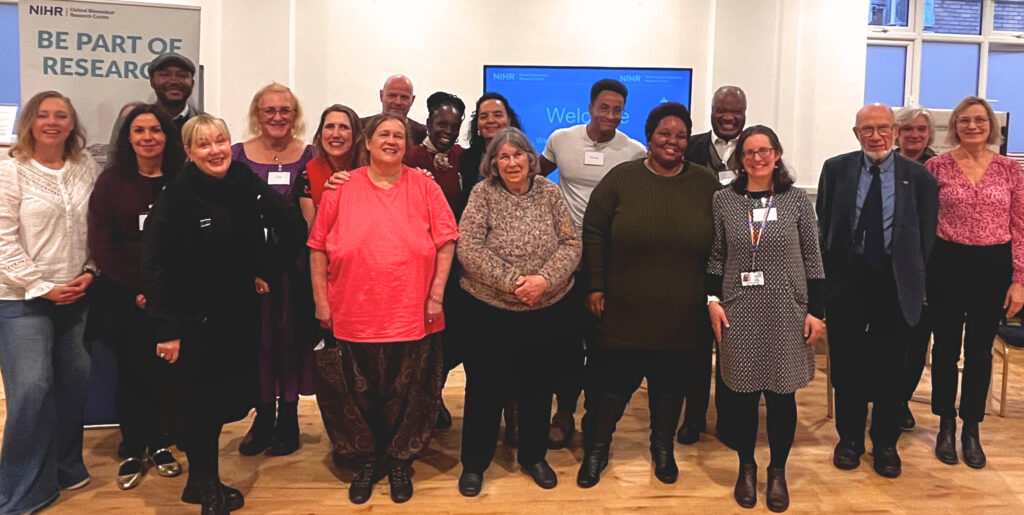
The research was carried out by members of the NIHR Oxford and Oxford Health Biomedical Research Centres’ Diversity in Research Group (DiRG), a patient and public involvement (PPI) group that aims to make involvement in health research more engaging to diverse communities.
The resulting paper has been published by Springer Nature and been chosen by the journal as its article of the month.
Arooj Butt, a member of the DiRG and lead author on the paper, said: “We wanted to explore the various approaches taken by researchers to involve under-served communities in their PPI activities and assess which were the most effective. Based on the review we conducted, we have developed a series of recommendations for researchers.
“People from under-served groups – such as minority ethnic communities, people with disabilities, or those from lower-income backgrounds – often have worse health outcomes but are less likely to be involved in health research. Funders now require researchers to show that their projects include these groups.
Arooj – alongside Hameed Khan and Mahveen Alam – was one of three members of the DiRG to work on the paper.
Analysing research papers from the UK, the research team identified three main areas that would make involvement of under-served communities more successful:
Population
- Involving people who are directly affected by the research from the very beginning
- Sharing information about opportunities in ways that reach different communities.
- Working with local groups or community leaders to connect with under-served populations.
Relationship Building
- Building trust and good relationships between researchers and contributors.
- Flexibility with how people can get involved, considering their needs and schedules.
- Using community venues and offering practical support like childcare or refreshments.
Practicalities
- Making sure contributors are paid promptly and fairly.
- Choosing meeting places that are easy for contributors to get to and feel comfortable in.
- Offering different ways to communicate to suit everyone.
The review noted that most successful projects follow UK guidelines for public involvement, even if they don’t mention them directly; and that contributors from under-served groups could play a more prominent role in research if they received the right support and training.

“We identified a number of challenges,” Arooj said. “For example, people can be wary of handing over sensitive demographic information, and it takes a lot of time and effort to build trust. Some processes – such as payments – can be slow or complicated, which can discourage people from getting involved.
Rachel Taylor, the Oxford BRC’s Public and Community Involvement, Engagement and Participation lead, said: “This was a very exciting project with the review being led by the PPI contributors themselves. This was a great learning opportunity for them, as they were able to learn how to conduct an academic review and were involved with all aspects of the project.
“We know that supporting public contributors to take active roles in our research leads to better outcomes. Hopefully this project will lead to even more people from a range of backgrounds wanting to get involved.”
Professor Edward Harcourt, Patient and Public Involvement and Engagement Academic Lead at the Oxford Health BRC, added: “Barriers to involvement in health research are especially steep when it comes to underserved communities. It’s great to see this new publication, led by contributors from the two Oxford BRCs’ joint Diversity in Research group, which identifies some key ingredients of successful PPI. Basics like prompt payment are so important.”