
A new gene therapy being developed to treat the most common cause of blindness in young people has shown encouraging results in a major clinical trial.
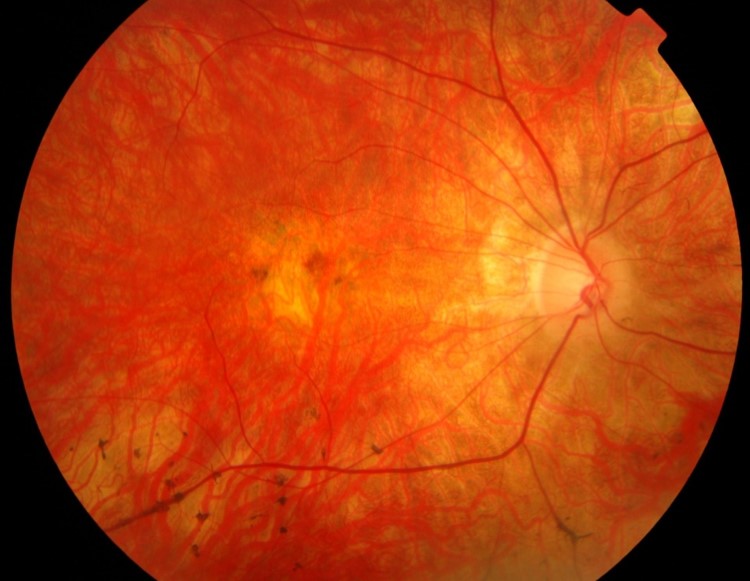
X-linked retinitis pigmentosa (XLRP), which is currently untreatable, is an inherited condition caused by mutations to the RPGR gene. These mutations damage the photoreceptors – the light-sensitive cells in the retina – leading to symptoms such as difficulty seeing in dim light, loss of side vision and gradually and irreversible sight loss or blindness. The condition mostly affects males because the RPGR gene is located on the X chromosome
Now the VISTA trial has demonstrated that the investigational gene therapy laruparetigene zovaparvovec, also called laru-zova, improved the ability of people with XLRP to read in low light conditions.
Laru-zova is designed to deliver a working copy of the RPGR gene into the eye, with the aim of helping to produce the full-length protein it needs to support the rods and cones – the two main kinds of photoreceptors – in the retina that detect light.
Laru-zova has been developed by biotechnology company Beacon Therapeutics, whose mission is to use gene therapy to save and restore sight for people living with eye diseases. Created in 2024, the company was one of the most ambitious spin-outs the University of Oxford had been involved in.
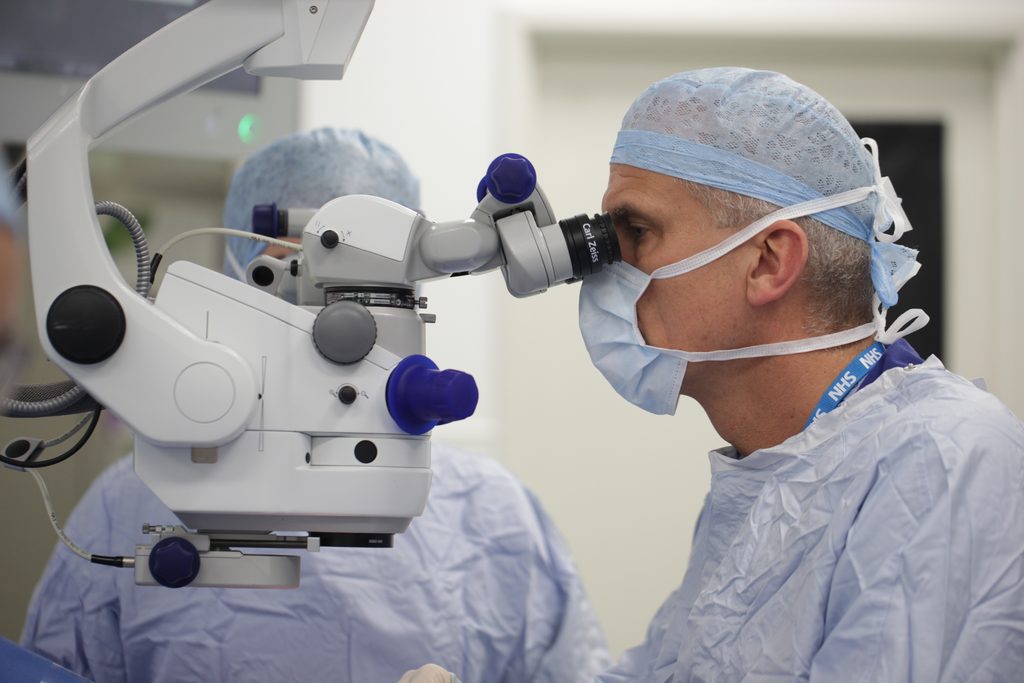
The research work of Beacon Therapeutics co-founder Professor Robert MacLaren has been supported for many years by the NIHR Biomedical Research Centre: Oxford. Professor MacLaren, still BRC Oxford’s Theme Lead for Gene and Cell Therapy, treated the world’s first patient with XLRP at the Oxford Eye Hospital in 2017.
The trial followed 85 male participants with XLRP, aged 12 to 48, for 12 months. Some received a higher dose of laru-zova, others received a lower dose, while a third group were in an untreated control group.
The main measure in the trial was how well someone can read letters in low-light conditions – or low luminance visual acuity. This test indicates that the gene therapy treatment is working because the vision improved.
After 12 months, 31% of participants who received the higher dose and 24.1% of those who received the lower dose could read at least 15 more letters in low light than they could at the start of the trial. None of the participants in the untreated group experienced any improvement.
Professor MacLaren said: “We were the first in the world to show that gene therapy had the potential to treat patients with this blinding condition in our trial in Oxford which started in 2017. Now these positive results with laru-zova have confirmed our approach.
“Gene therapy offers real hope to those who have XLRP and we hope to have an approved treatment for patients worldwide by the end of 2027, which is the culmination of a decade of successful research.”Read more from Beacon Therapeutics.