
NIHR Oxford Biomedical Research Centre

Enabling translational research through partnership

MENUMENU
  • About
    • About the NIHR Oxford Biomedical Research Centre
    • Impact
    • Our next BRC
    • Steering Committee
    • Promoting equality, diversity and inclusion in research
    • Current Vacancies
    • Stay in Touch
    • Contact Us
  • Research

        • Research Overview
        • Clinical Research Facility
        • Health Economics
        • Ethics in the NIHR Oxford BRC
        • Medical Statistics
        • Infections in Oxfordshire Database (IORD)
        • 15 Research Themes

        • Cancer
        • Cardiovascular Medicine
        • Digital Health from Hospital to Home
        • Gene and Cell Therapy
        • Genomic Medicine
        • Imaging
        • Inflammation across Tissues
        • Life-saving Vaccines
        • Metabolic Experimental Medicine
        • Modernising Medical Microbiology and Big Infection Diagnostics
        • Musculoskeletal
        • Preventive Neurology
        • Respiratory Medicine
        • Surgical Innovation, Technology and Evaluation
        • Translational Data Science
  • Patient and Public Involvement
    • For patients and the public
    • For researchers
    • More information
  • Training Hub
    • Training Hub Overview
    • Clinical Academic Pathway
    • Internships
    • Pre-Doctoral Research Fellowships
    • Senior Research Fellowships
    • Doctoral Awards
    • Post-Doctoral Awards
    • Pre-Application Programme
    • Other Funding
    • Leadership Training
    • Useful Links
    • Training and Education Resources
    • Upcoming Training Events & Courses
    • Success Stories
  • Industry and Partnerships
    • Collaborate with Oxford BRC
    • Who Do We Work With?
    • Events
    • Partnerships News
    • Further Information and Additional Resources
    • Contacts for Industry
  • Videos
  • News
  • Events

News

You are here: Home > Cancer > New research reveals why some oesophageal cancers are hard to treat

New research reveals why some oesophageal cancers are hard to treat

12 March 2026 · Listed under Cancer

Researchers in Oxford have uncovered new insights into why the most aggressive oesophageal cancers are so difficult to treat and how the body’s own defence systems are helping them to thrive.
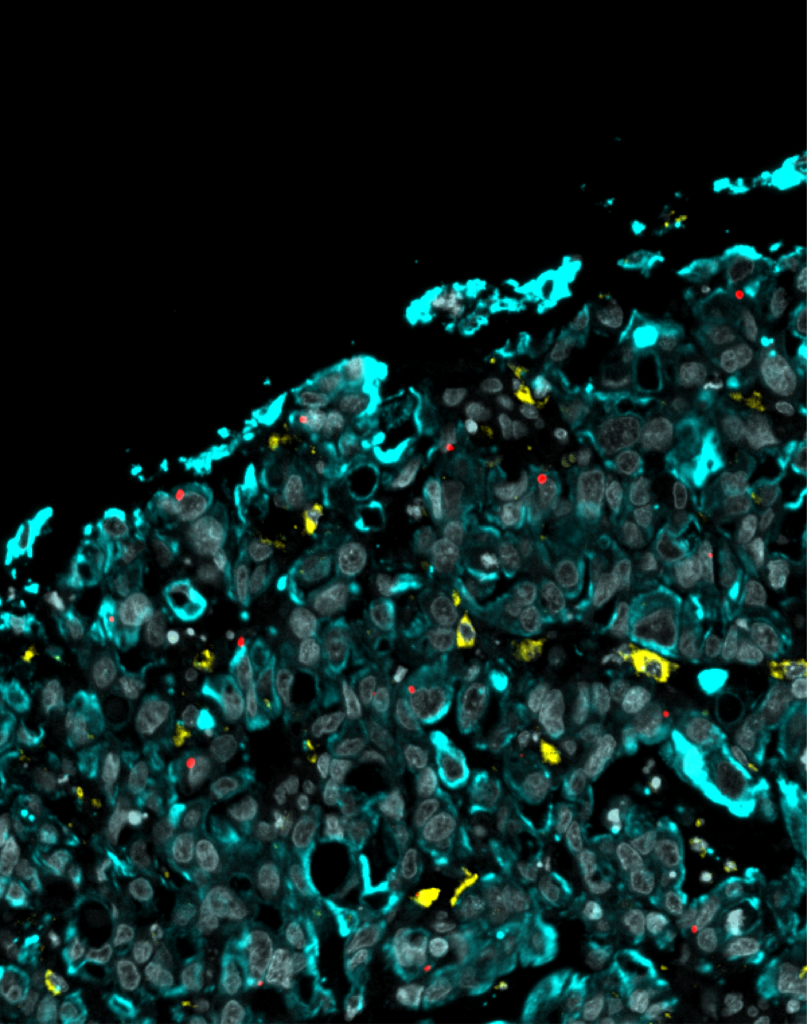
microscopic image of cancerous tissue
A section of oesophageal cancer tissue with the cell nuclei shown in grey; small abnormal structures called micronuclei, which form when chromosomes do not divide properly during cell division, in red; the main cancer cells appear in blue; and immune cells called macrophages in yellow. (Image Parkes Lab, Translational Histopathology Laboratory, University of Oxford)

The study, led by Professor Eileen Parkes in the University of Oxford’s Department of Oncology, analysed patient-donated tumour samples and found that the most dangerous types of oesophageal cancers share a key feature: high chromosomal instability. This means the cancer cells constantly make mistakes as they grow and divide, making them more aggressive, harder to treat and allowing them to adapt more easily.

The research, which was supported by the National Institute for Health and Care Research (NIHR) Oxford Biomedical Research Centre (BRC), was published in Science Advances.

The research team discovered that this chromosomal instability does not just make the cancer grow faster; it also changes how the tumour interacts with the body’s own defence systems.

Using newly developed laboratory models of oesophageal cancer, the researchers found that cancers with unstable chromosomes ‘switch on’ certain genes. These genes were shown to send out chemical signals that attracted inflammatory immune cells into the tumour, bolstering its defence.

“We’ve known for some time that chromosomal instability makes cancer more aggressive, but what we’ve discovered is that it also fuels inflammation in oesophageal cancer in a way that actually helps the tumour,” said Dr Bruno Beernaert, postdoctoral researcher in Professor Parkes’s lab.

“Instead of triggering an effective immune attack against itself, the cancer appears to hijack the body’s own defence systems, the immune response, to help it to survive treatment and spread.”
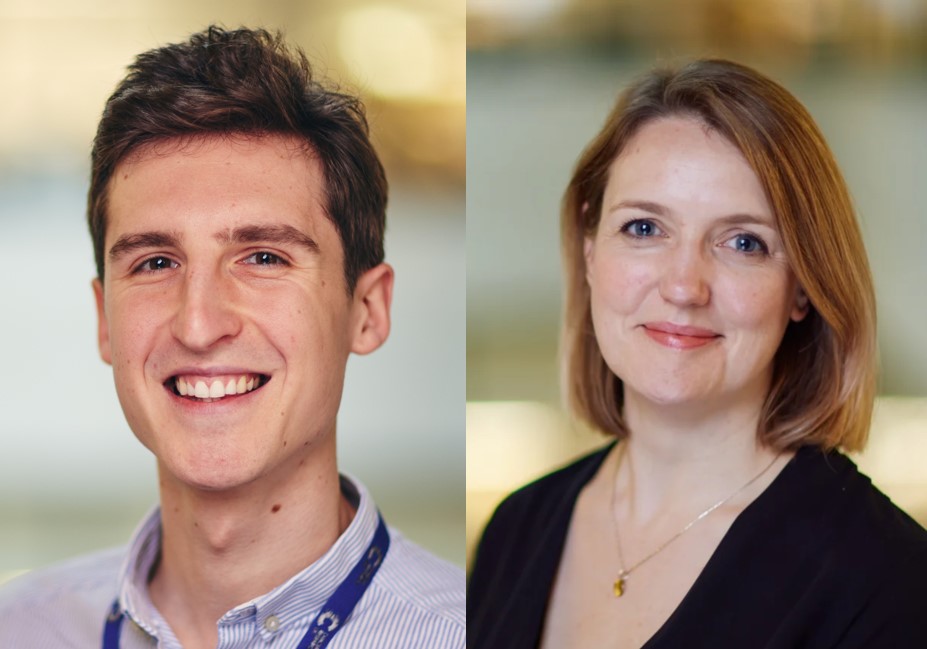
Dr Bruno Beernaert and Professor Eileen Parkes

The findings may help to explain why some of the most aggressive types of oesophageal cancers are particularly resistant to existing therapies and point to new potential treatment strategies.

Professor Parkes added: “By uncovering how chromosomal instability reshapes the tumour’s immune environment, we’ve identified a potential vulnerability. If we can disrupt this inflammation pathway, we may be able to suggest new treatment options which improve outcomes for patients.”

As well as the Oxford BRC, this research was supported by Cancer Research UK and the Wellcome Trust.

← Almost 70% of bowel cancers missed at colonoscopy are avoidable

Other news

News Categories

News by Month

See all news

Subscribe to the Oxford BRC Newsletter

Keep informed about the work of the Oxford BRC by subscribing to our Mailchimp e-newsletter. It is produced several times a year and delivers news and information about upcoming events straight to your inbox.

Subscribe Now

Feedback

We’d love to hear your feedback. Please contact us at obrcenquiries@ouh.nhs.uk

Oxford BRC on Social Media

  • Bluesky
  • Facebook
  • LinkedIn
  • YouTube
  • Data Control and Privacy
  • Accessibility
  • Our Partners
  • Disclaimer
  • Contact

Copyright © 2026 NIHR Oxford Biomedical Research Centre